
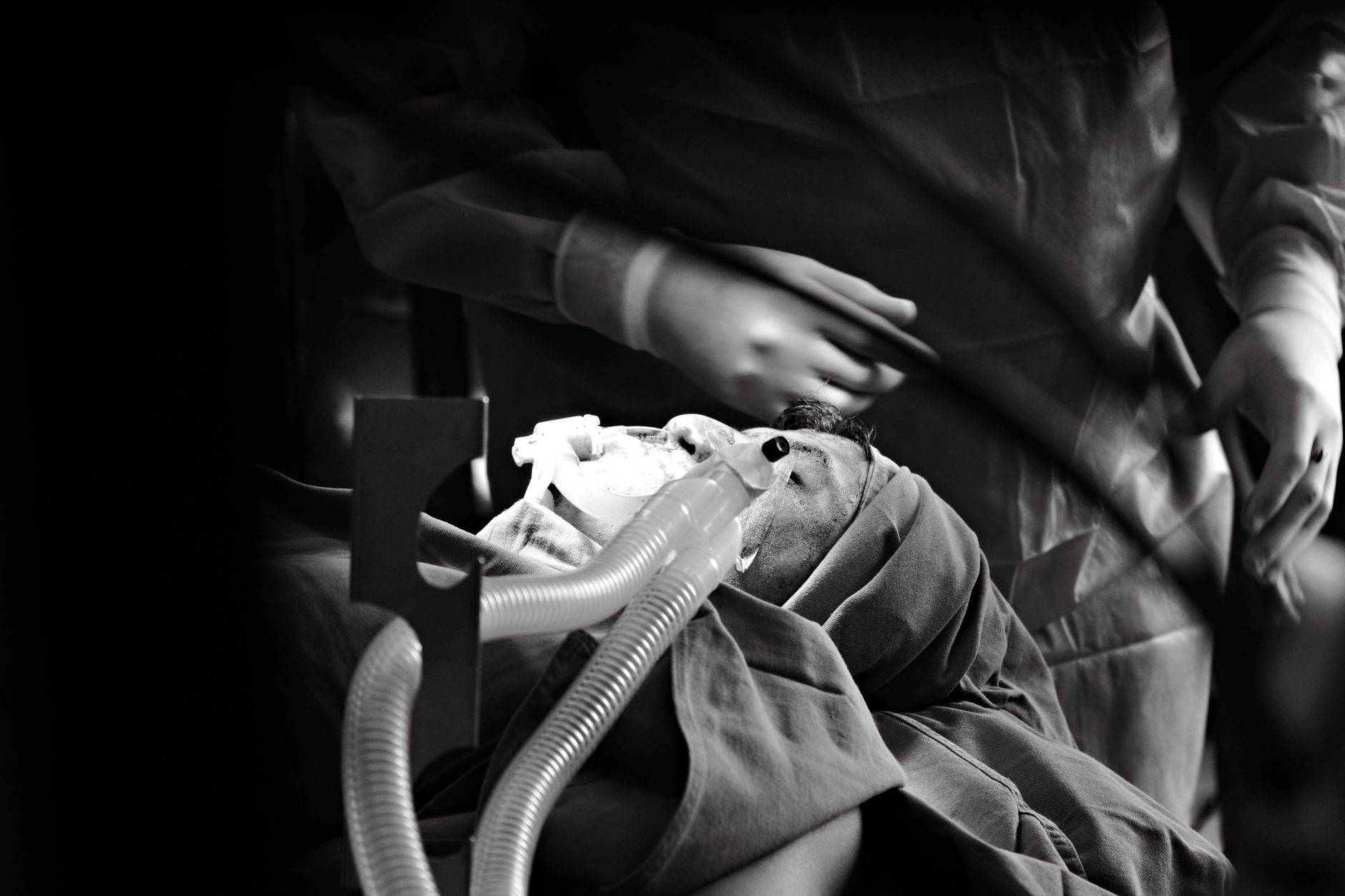
Anesthesia is a high-yield clinical specialty. While it typically accounts for 5–7 questions on the NEET PG exam, these are often “rank-deciding” questions. Because it integrates deeply with Pharmacology, Physiology, and Surgery, mastering it can provide a significant advantage in your overall score.
For high-quality resources, practice questions, and structured courses, mymedschool.org remains a premier platform for medical students worldwide.
High-Yield Anesthesia Syllabus
IN02 Anesthesia: 20
- Types of Anaesthesia
- Difference between GA and LA
- Spinal Anaesthesia
- Epidural Anaesthesia
- Intravenous GA
- Inhalational GA
- Skeletal Muscle Relaxants (Including Neuromuscular Blockers)
- Local Anaesthesia
- LA Toxicity
- Monitoring In Anesthesia
- Types of equipment and Anaesthesia Machine
- IV Fluids
- Blood Transfusion
- Oxygen Therapy
- Endotracheal Intubation Indications
- Caudal Block
- Preparation of Patient for Anaesthesia
- Brain Death
- Stages of Anaesthesia
- Resuscitation Protocol
Focus your core preparation on these thematic areas:
- General Anesthesia (GA):
- Guedel’s Stages: Specifically focus on the signs of each stage and which one is associated with laryngospasm.
- Inhalational Agents: Master MAC values and the factors that increase or decrease them.
- Induction Agents: Understand the pharmacology of Propofol, Ketamine, Etomidate, and Thiopentone.
- Regional & Local Anesthesia:
- Local Anesthetics: Mechanism of action, toxicity profiles, and safe dosing.
- Neuraxial Blocks: Comparative knowledge of spinal vs. epidural anesthesia (sites, onset, and contraindications).
- Pharmacology of Anesthesia:
- Muscle Relaxants: Depolarizing (Succinylcholine) vs. non-depolarizing agents; mechanisms of reversal.
- Critical Care & Emergency Management:
- Airway Management: Difficult airway algorithms and the LEMON law.
- CPCR/BLS/ACLS: Always stay updated with the latest AHA guidelines.
- Ventilator Management: Basic modes and clinical indications.
- Specialized Topics: Anesthesia considerations for co-existing medical illnesses (e.g., DM, Hypertension) and specific populations (Pediatric, Obstetric).
Why You Need This Syllabus
- Focus on the “80/20” Rule: Anesthesia is vast. A structured list ensures you spend your limited time on the 20% of topics that appear in 80% of exam questions.
- Active Recall: A syllabus allows you to convert passive reading into active testing. You can tick off topics only when you can explain them without looking at your notes.
- Progress Tracking: Use this list to color-code your readiness. This prevents the “illusion of competence” where you keep re-reading easy topics while neglecting high-yield gaps.
How to Use the Topics for Preparation
- The “Integration First” Rule: Never study an Anesthesia drug in isolation. When you review Succinylcholine on your list, pull up your Pharmacology notes to review its interaction with electrolytes. NEET PG tests these subjects as an integrated whole.
- Clinical Scenario Simulation: For every topic, ask: “How does this present in a patient?” Instead of just memorizing the definition of a “difficult airway,” practice solving vignettes where you must identify the airway management strategy for a patient in the ER.
- Question-Led Feedback: Use mymedschool.org to search for specific topics after you have studied them. If you get a question wrong, treat it as a “gap” and add a note next to that topic on your list. This creates a personalized, evolving study plan.
- Spaced Repetition: Do not aim to master the whole list in one sitting. Divide it into weekly modules—GA, Regional/Local, and Critical Care—and rotate them throughout your study schedule.