
Learning Objectives
- Explain the biochemical mechanism of ammonia-induced CNS toxicity.
- Recognize the clinical presentation of hyperammonemia, specifically asterixis and cerebral edema.
- Identify the pharmacological mechanisms of Lactulose, Rifaximin, and ammonia scavengers.
- Understand the metabolic link between ammonia, glutamate, and the TCA cycle.
1. Pathophysiology of CNS Toxicity
Ammonia (
- TCA Cycle Inhibition:
-ketoglutarate to form glutamate. This depletes
- Glutamine Accumulation: Excess glutamate is converted into Glutamine by glutamine synthetase. Glutamine is osmotically active; its accumulation in astrocytes causes cerebral edema.
- Neurotransmitter Imbalance: Increased levels of GABA (GABAergic tone) and decreased levels of glutamate (an excitatory neurotransmitter) lead to characteristic CNS depression.
2. Clinical Presentation
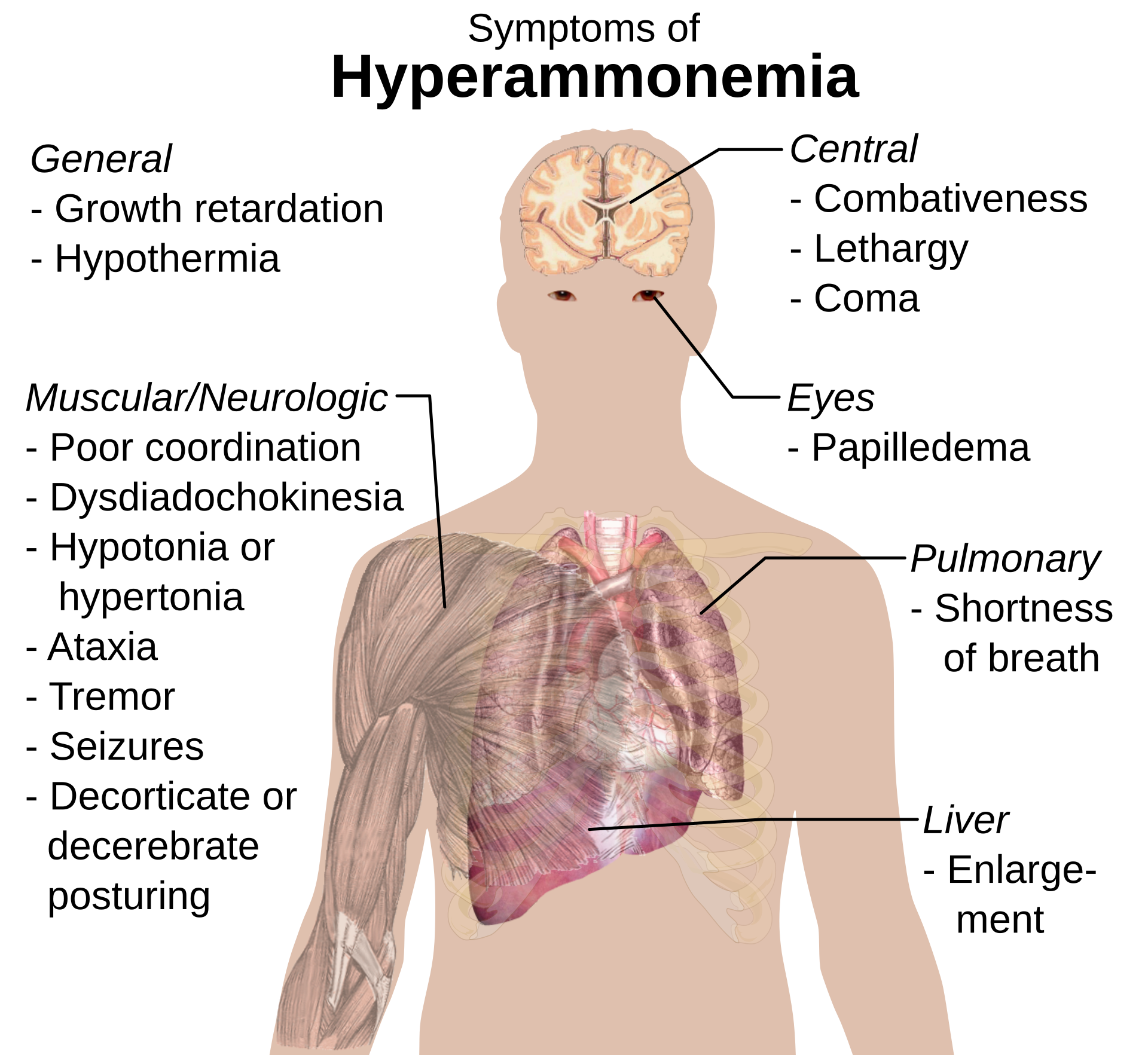
Hyperammonemia manifests primarily through neurological symptoms, often referred to as hepatic encephalopathy when caused by liver failure.
- Asterixis: A “flapping tremor” of the hands when the wrists are extended.
- Neurological Decline: Slurred speech, somnolence (extreme sleepiness), and blurring of vision.
- Physical Findings: Vomiting and signs of increased intracranial pressure due to cerebral edema.
Activity
Memory Hook: High ammonia makes the brain “Swell and Slow.” Swell (Glutamine edema) and Slow (TCA cycle inhibition/GABA tone).
3. Treatment Strategies
Management focuses on reducing the production of ammonia and increasing its removal from the body.
| Treatment | Mechanism of Action |
|---|---|
| Lactulose | Broken down into lactic acid by bacteria; acidifies the gut to convert to  (ammonium), which is trapped and excreted. (ammonium), which is trapped and excreted. |
| Rifaximin / Neomycin | Kill ammoniagenic bacteria in the gut that normally produce ammonia from proteins. |
| Benzoate / Phenylbutyrate | Bind to glycine or glutamine to form water-soluble products excreted by the kidneys. |
Clinical Notes & Corrections:
- Dietary Management: While protein restriction is mentioned, it must be balanced carefully to avoid negative nitrogen balance, which can worsen muscle breakdown and increase ammonia.
- Diagnostic Clue: In a patient with cirrhosis and sudden confusion, always check for gastrointestinal bleeding. Blood contains protein, and its breakdown in the gut is a major source of ammonia.
You must be logged in to post a comment.