
Mymedschool ID
MD.SG.001
FAIMER ID
F0000229
School Type
Public
Year Instruction Began
1905
Operational Status
Currently Operational
Alternate names
National University of Singapore Faculty of Medicine (1980 – 2005)
University of Singapore Faculty of Medicine (1962 – 1980)
University of Malaya Faculty of Medicine (1949 – 1962)
King Edward VII College of Medicine (1921 – 1949)
King Edward VII Medical School (1912 – 1921)
Straits Settlements and Federated Malay States Government Medical School (1905 – 1912)
Academic Affiliation
Private
School Website
In English
Additional information
–
Additional information
Qualification Title
Bachelor of Medicine, Bachelor of Surgery (M.B.B.S.)
Curriculum Duration
5 years
Language of Instruction
English
Foreign Students
Accepted
Prerequisite Education
An entrance exam is required
Gender
Both genders accepted
Accredited by
ECFMG & Canada Exams
Yes
Basic sciences courses
Exam courses
-
USMLE Step 1 Self Assessment
-
USMLE Step 1 Review Series
-
UKMLA: PLAB Part 1 Self Assessment Quiz
-
UKMLA: PLAB Part 1 Review
-
MRCP Part 1 Self-Assessment
-
MRCP Part 1 Review
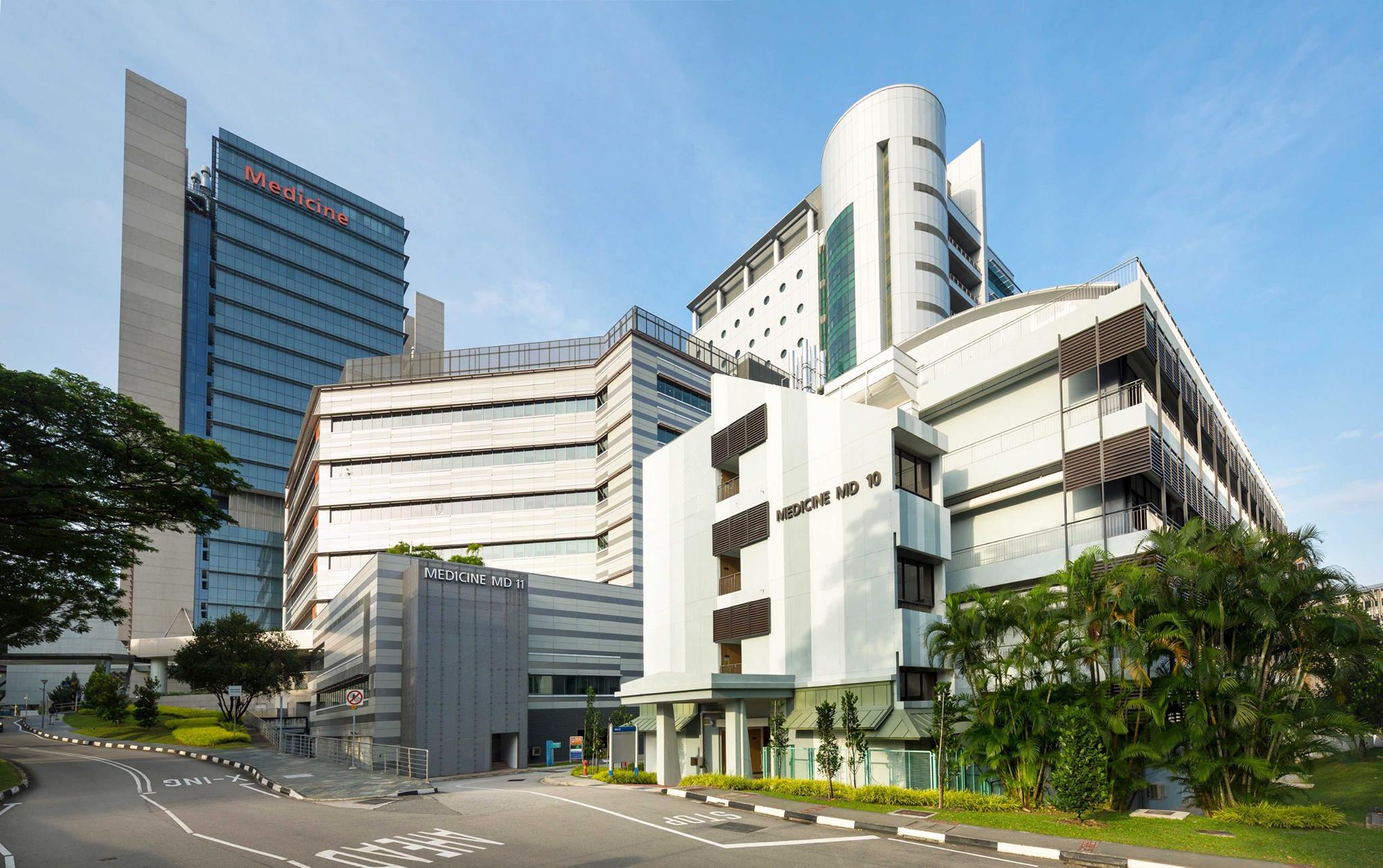
The Yong Loo Lin School of Medicine (often abbreviated as NUS Medicine) is Singapore’s first and most established medical school, with a proud legacy of over a century in medical education and research. It is part of the prestigious National University of Singapore, recognised globally for excellence in clinical training, research, and leadership in healthcare. The school’s mission is to train compassionate, competent, and forward-thinking doctors ready to meet the challenges of modern medicine and improve health outcomes locally and internationally.
Admission Process
Eligibility & Requirements
To apply for the Bachelor of Medicine and Bachelor of Surgery (MBBS) programme, applicants must meet recognised academic qualifications and subject prerequisites, typically including high-level science subjects such as Chemistry and Biology or Physics. Accepted qualifications include:
- Singapore‐Cambridge GCE ‘A’ Levels
- International Baccalaureate (IB) Diploma
- Accredited polytechnic diplomas
- Other recognised international qualifications
For students with international or predicted IB results, supplementary test scores (e.g., UCAT, SAT/ACT with writing, AP exams) may be required to standardise assessment.
Application Steps
The admissions journey typically involves three major stages:
- Online Application:
Complete the application through the NUS Office of Admissions portal and indicate Medicine as your choice of course. - Portfolio Submission:
Applicants submit a portfolio detailing academic records, achievements, and other experiences. Portfolios are used to shortlist candidates for the next stage. There are options for standard entry and an Excellence Beyond Academics Scheme (EBAS) for those with exceptional talents or achievements. - Admissions Assessment:
Shortlisted applicants attend the Focused Skills Assessment (FSA), an in-person assessment that evaluates communication, ethical reasoning, empathy, teamwork, and other professional attributes essential for future doctors.
Upon successful performance, around 280 offers are made annually, with reserve lists created for additional strong candidates.
Course and Curriculum
Programme Structure
The MBBS programme at NUS Medicine is a five-year full-time undergraduate medical degree. It integrates foundational science with early clinical exposure and professional development, preparing students to become well-rounded clinicians.
Years 1–2:
- Basic sciences such as anatomy, physiology, biochemistry, and pathology
- Problem-Based Learning (PBL) and small group sessions
- Early patient contact and clinical skills foundation
Years 3–5:
- Progressive clinical rotations in core disciplines such as internal medicine, surgery, pediatrics, psychiatry, obstetrics, and gynecology
- Advanced clinical training, electives, and preparation for transition to practice
Postgraduate Internship (Housemanship):
After completing the MBBS, graduates undergo a one-year supervised internship in Singapore hospitals to qualify for practice registration.
Prospects After Graduation
Graduates of NUS Medicine are highly sought after in Singapore and globally. After housemanship, doctors may pursue:
- Residency training in various specialties (e.g., cardiology, oncology, surgery)
- Clinical practice in public or private healthcare settings
- Academic or research careers in medical science and health innovation
- Leadership roles in health policy, education, and administration
In Singapore, local graduates typically serve a bond period with the Ministry of Health, which contributes to workforce planning and ensures experience in nationwide healthcare delivery.
Life as a Doctor in Singapore
Becoming a doctor in Singapore is both rewarding and challenging. Clinicians trained at NUS Medicine often work in fast-paced, high-standard healthcare environments such as major hospitals.
- Early years: Junior doctors (house officers and residents) can expect long hours and steep learning curves as they build clinical competence and resilience.
- Work culture: Singapore’s healthcare system places strong emphasis on efficiency, compassion, and teamwork.
- Continual learning: Lifelong education is a norm through specialist training, research involvement, or continuing medical education.
- Quality of life: Singapore offers safe, multicultural living with excellent infrastructure, though the responsibilities of clinical work can be intense.


