
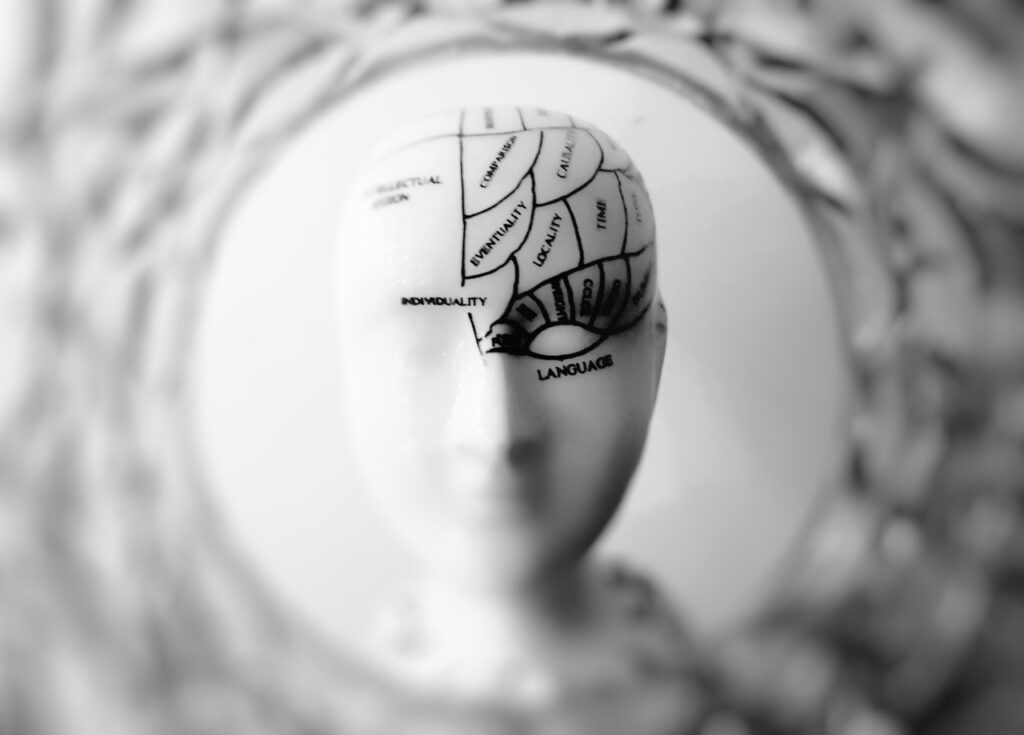
M02 Neuroanatomy
₹0.00
Master the complex structures and pathways of the nervous system with our interactive Neuroanatomy course for medical students. Each section is divided into focused topics, paired with high-quality questions to reinforce learning and boost exam readiness.
The Neuroanatomy Course is designed to break down one of the most challenging anatomy subjects into manageable, easy-to-digest modules.
Learning objectives:
- Identify and locate major anatomical structures of the central and peripheral nervous systems—including cerebral cortex lobes, basal ganglia, brainstem nuclei, cranial nerves, and spinal cord pathways—on gross specimens, cross-sectional slices, and diagnostic imaging (MRI/CT).
- Trace ascending sensory and descending motor pathways through the central nervous system, mapping key decussations, synaptic relays, and Somatotopic organization (e.g., sensory/motor homunculus) from peripheral receptors to cortical destinations.
- Analyze the neurovascular supply and cerebrospinal fluid (CSF) dynamics of the brain and spinal cord, mapping major cerebral arteries (Circle of Willis) and venous sinuses to their corresponding functional territories and ventricular drainage routes.
- Correlate clinical signs and neuroanatomical lesion locations by utilizing patient histories, cranial nerve exams, and physical findings to precisely localize lesions within the central or peripheral nervous system (e.g., distinguishing upper vs. lower motor neuron deficits, specific vascular stroke syndromes, or spinal cord transections).
- Differentiate the clinical presentations of localized neurological damage across specific functional domains, including cerebellar dysfunction (ataxia), basal ganglia disorders (hypo/hyperkinetic movements), and cortical lesions (aphasias, agnosias, and visual field defects).
Related Products
-
Comprehensive Biochemistry MCQ Question Bank for Moodle
Original price was: ₹14,147.00.₹9,400.00Current price is: ₹9,400.00. -
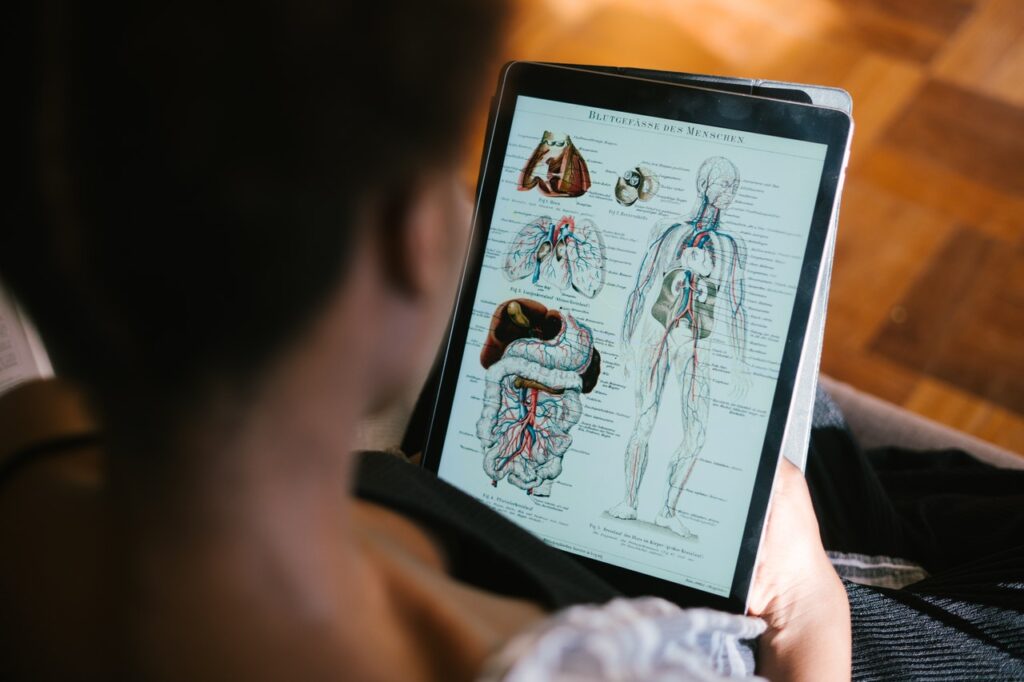
M01 Human Anatomy
₹0.00 -
M03 Biochemistry
₹0.00 -

M04 Medical Physiology
₹0.00 -

M05 Behavioral Sciences
₹0.00