
Mymedschool ID
MD.SG.003
FAIMER ID
F0003247
School Type
Public
Year Instruction Began
2013
Operational Status
Currently Operational
Alternate names
Imperial College London Faculty of Medicine (Current)
Nanyang Technological University (Current)
Academic Affiliation
Private
School Website
In English
Additional information
Private
Additional information
Qualification Title
Bachelor of Medicine, Bachelor of Surgery (M.B.B.S.)
Curriculum Duration
5 years
Language of Instruction
English
Foreign Students
Accepted
Prerequisite Education
Admission follows completion of an undergraduate degree.
Gender
Both genders accepted
Accredited by
ECFMG & Canada Exams
Yes
Basic sciences courses
Exam courses
-
USMLE Step 1 Self Assessment
-
USMLE Step 1 Review Series
-
UKMLA: PLAB Part 1 Self Assessment Quiz
-
UKMLA: PLAB Part 1 Review
-
MRCP Part 1 Self-Assessment
-
MRCP Part 1 Review
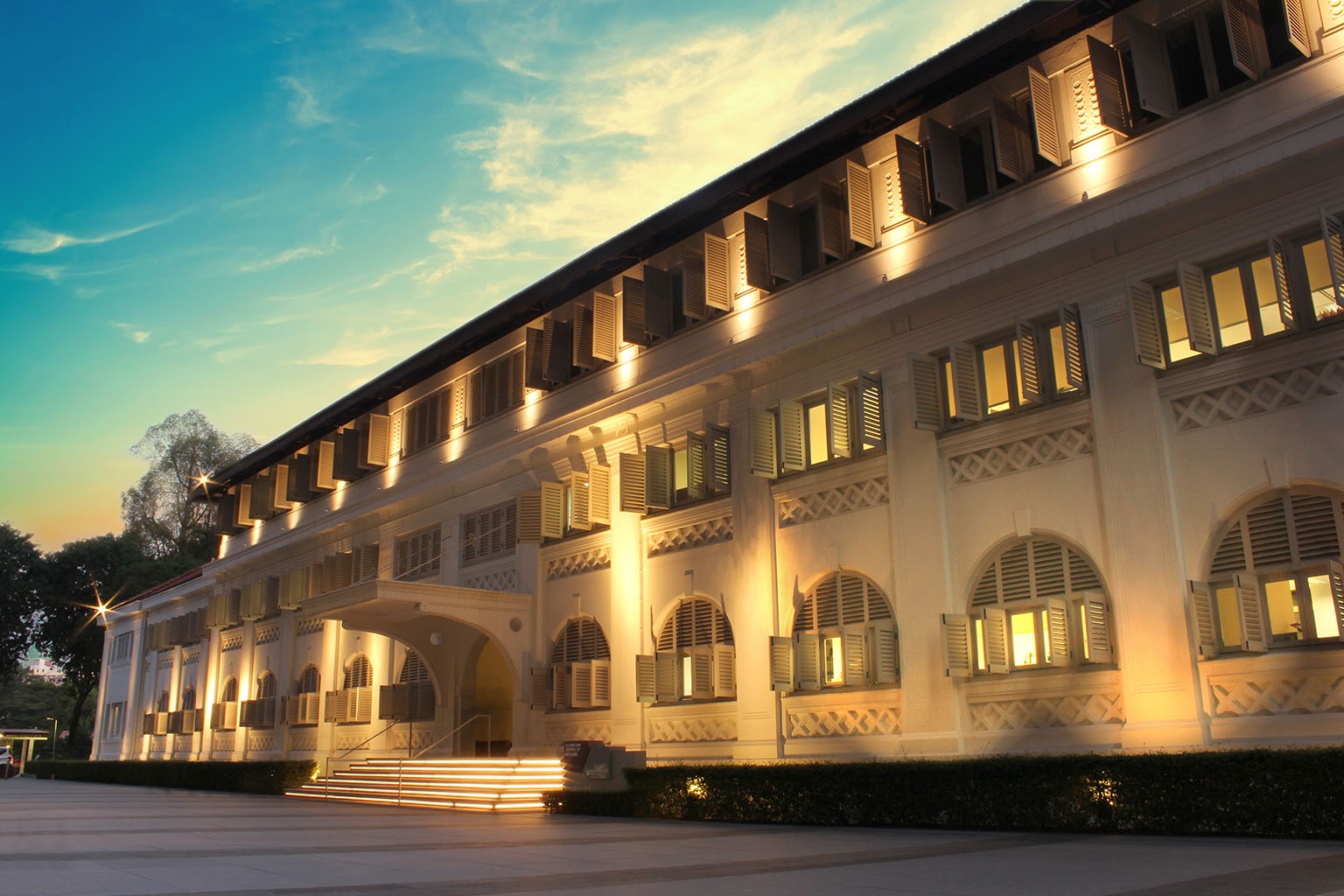
Lee Kong Chian School of Medicine (LKCMedicine) is Singapore’s newest undergraduate medical school, established through a partnership between Nanyang Technological University (NTU Singapore) and Imperial College London.
The school was created to address Singapore’s growing healthcare needs and is known for its innovative team-based learning approach, digital integration, and strong clinical training partnerships.
LKCMedicine offers a Bachelor of Medicine and Bachelor of Surgery (MBBS) degree and combines British academic influence with Singapore’s advanced healthcare system.
Admission Process
Admission to LKCMedicine is highly competitive and follows a structured selection process.
1. Academic Requirements
Applicants must meet subject prerequisites, typically including:
- Strong performance in Chemistry
- Biology or Physics (depending on qualification pathway)
- Recognized qualifications such as:
- Singapore-Cambridge GCE A-Levels
- International Baccalaureate (IB)
- Polytechnic diplomas
- Other approved international qualifications
International students are eligible but competition is intense.
2. Selection Stages
The application process includes:
- Online application via NTU admissions portal
- Academic screening
- Shortlisting
- Multiple Mini Interviews (MMI)
- Situational judgement and communication assessments
LKCMedicine emphasizes empathy, communication skills, teamwork, ethical reasoning, and resilience.
Each year, approximately 150 students are admitted.
Course and Curriculum
The 5-year MBBS programme integrates biomedical sciences with early clinical exposure and technology-enhanced learning.
Years 1–2: Foundations of Medicine
- Team-Based Learning (TBL)
- Digital and simulation-based teaching
- Early patient contact
- Anatomy, physiology, pathology, microbiology, and pharmacology
Years 3–4: Clinical Training
Students rotate across major clinical disciplines:
- Internal Medicine
- Surgery
- Pediatrics
- Obstetrics & Gynecology
- Psychiatry
- Family Medicine
Training occurs in Singapore’s public healthcare institutions, including:
- National Healthcare Group hospitals
- Tan Tock Seng Hospital
- Khoo Teck Puat Hospital
Year 5: Preparation for Practice
- Advanced clinical responsibilities
- Electives (local and overseas)
- Transition-to-practice training
Graduates then complete a one-year supervised internship (housemanship) before full registration.
Prospects After Graduation
Graduates of LKCMedicine:
- Enter Singapore’s residency training system
- Work in public or private healthcare
- Pursue specialist training
- Engage in research and academic medicine
Singapore citizens and permanent residents may be subject to service obligations depending on funding schemes.
Due to strong government support and healthcare demand, job placement rates are high for local graduates.
Life as a Doctor in Singapore
Early Career
New doctors typically start as house officers in public hospitals. The environment is:
- Structured and supervised
- High clinical standards
- Team-oriented
- Fast-paced
Career Growth
After internship, doctors may:
- Enter residency training
- Work in general practice
- Move into research or administration
- Transition to private sector practice
Singapore’s healthcare system is efficient and technologically advanced. Doctors enjoy:
Lifestyle & Work Culture
- Competitive salaries
- Safe living environment
- Multicultural patient population
- Strong career progression pathways
However, early years can involve long hours and demanding workloads.


