
Learning Objectives
- Identify and differentiate major congenital brain malformations (Holoprosencephaly and Lissencephaly).
- Correlate their genetic causes, teratogens, and pathologic features with clinical presentations.
- Recognize key USMLE Step 1 diagnostic findings, such as midline facial defects and smooth cerebral cortices.
1. Overview of Brain Malformations
Brain malformations are congenital structural abnormalities resulting from disrupted neural development, typically occurring during early embryonic life (weeks 3–8). Survivors often experience severe neurologic impairment, developmental delay, or seizures.
2. Major Types of Brain Malformations
| Feature | Holoprosencephaly | Lissencephaly |
|---|---|---|
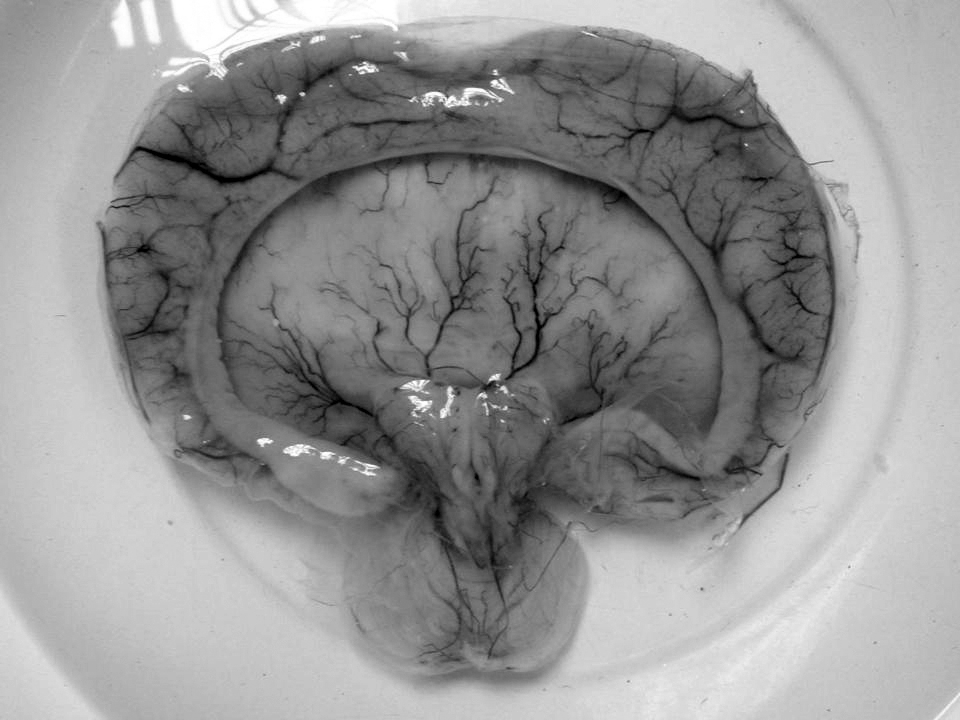
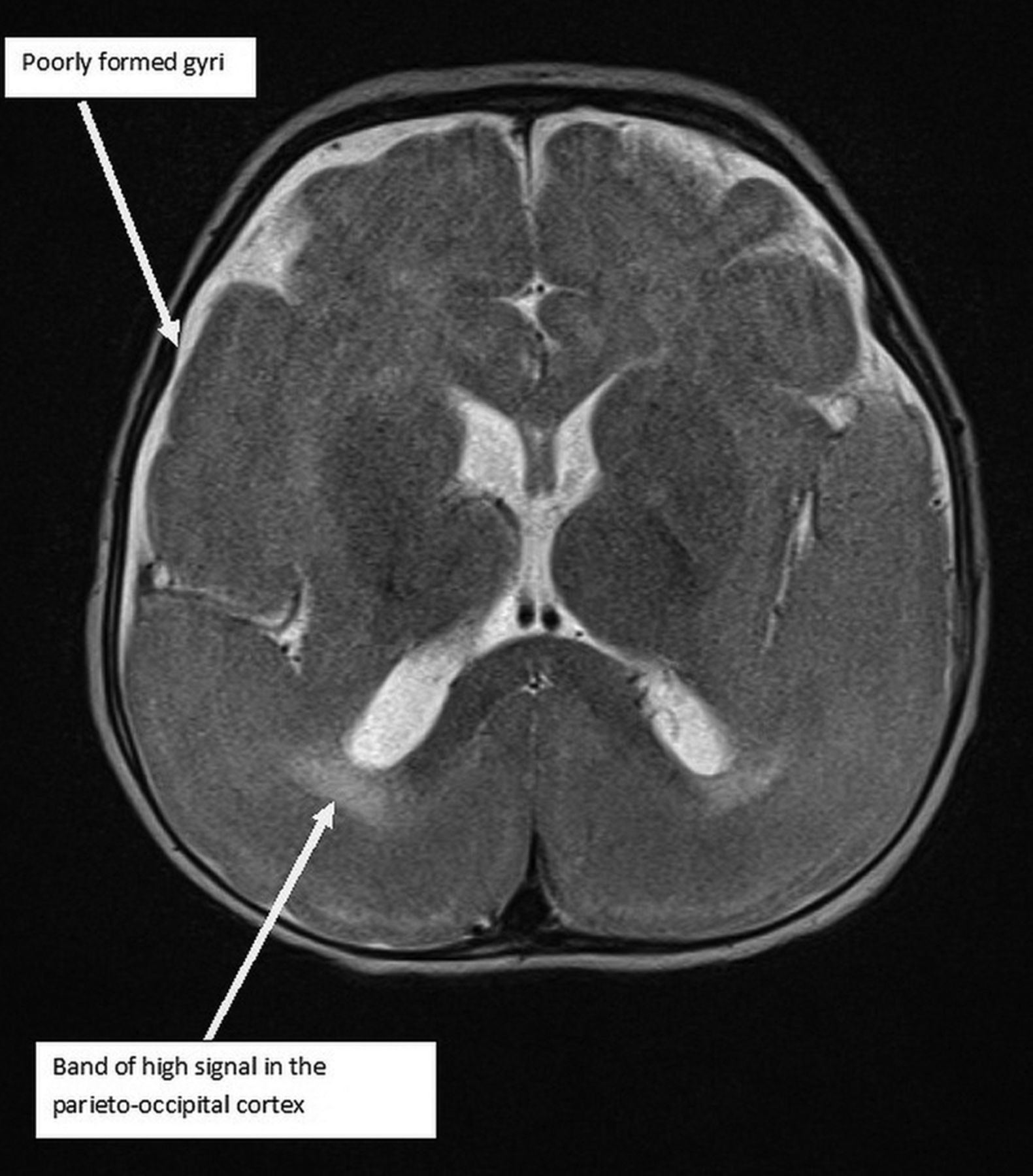
| Primary Defect | Failure of forebrain (prosencephalon) division into two hemispheres. | Failure of neuronal migration along radial glial scaffolding. |
| Timing | Weeks 3–4 of embryogenesis. | Weeks 12–24 of development. |
| Genetic & Risk Links | SHH mutation, Patau syndrome (Trisomy 13), Fetal alcohol syndrome. | LIS1 gene mutations. |
| Brain Structure | Monoventricle, fused basal ganglia. | Smooth brain (no gyri or sulci), microcephaly. |
| Associated Features | Cleft lip/palate, hypotelorism, cyclopia, proboscis. | Dysphagia, severe seizures, developmental delay. |
| Clinical Outcome | Often fatal; survivors profoundly disabled.
|
Profound cognitive impairment and early mortality.
|
Clinical Notes & USMLE Pearls:
- Holoprosencephaly Clue: A newborn presenting with midline facial anomalies (e.g., cyclopia, cleft lip) and an absent interhemispheric fissure on MRI.
- Lissencephaly Clue: A child presenting with severe seizures, microcephaly, and a smooth cerebral cortex lacking normal folding patterns.
Key Points & Memory Hooks:
Midline vs. Migration: Holoprosencephaly stems from midline patterning failure (SHH), while Lissencephaly stems from impaired migration (LIS1).
Syndromes & Teratogens: Always evaluate for chromosomal anomalies like Trisomy 13 and teratogenic exposures such as ethanol.
Midline vs. Migration: Holoprosencephaly stems from midline patterning failure (SHH), while Lissencephaly stems from impaired migration (LIS1).
Syndromes & Teratogens: Always evaluate for chromosomal anomalies like Trisomy 13 and teratogenic exposures such as ethanol.
You must be logged in to post a comment.