
Learning Objectives
- Identify the two primary products of the HMP shunt and their metabolic roles.
- Distinguish between the oxidative (irreversible) and non-oxidative (reversible) phases.
- Recognize the key tissues where this pathway is most active.
- Explain the clinical importance of Vitamin B1 (Thiamine) in the non-oxidative phase.
1. Overview of the HMP Shunt
The Pentose Phosphate Pathway (HMP Shunt) occurs entirely in the cytoplasm. It functions as a bypass of glycolysis to produce essential specialized molecules. Importantly, no ATP is used or produced in this pathway.
- NADPH: Used for reductive biosynthesis (fatty acids, steroids) and protecting cells against oxidative stress (reducing glutathione in RBCs).
- Ribose-5-Phosphate: A critical precursor for nucleotide synthesis.
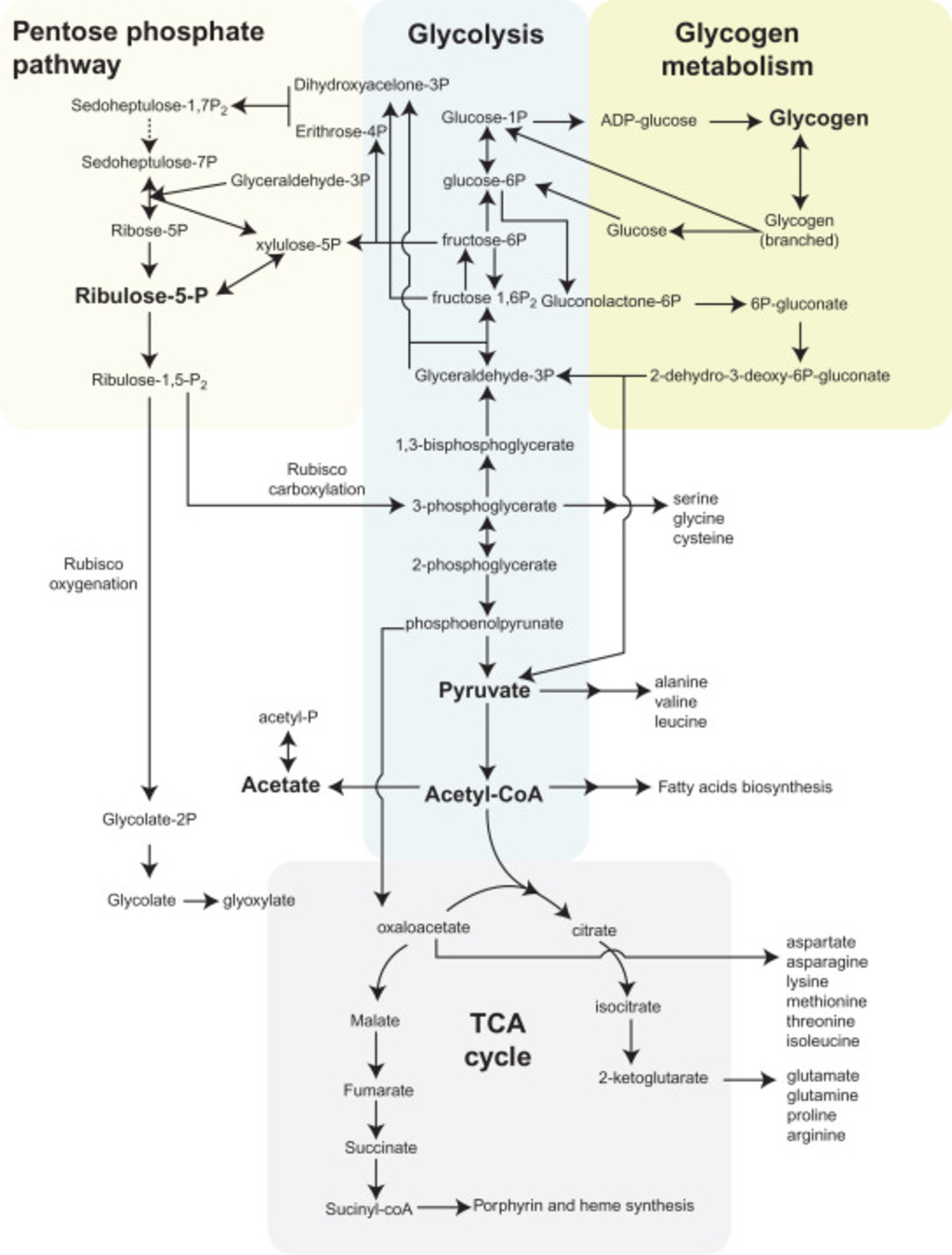
2. The Two Phases of the Pathway
The pathway is split into an energy-generating oxidative phase and a sugar-shuffling non-oxidative phase.
Oxidative Phase (Irreversible)
- Rate-Limiting Enzyme: Glucose-6-phosphate dehydrogenase (G6PD).
- Key Step: Glucose-6-P → 6-Phosphogluconate → Ribulose-5-P.
- Yield: 2 NADPH and 1
per glucose molecule.
Non-oxidative Phase (Reversible)
- Key Enzyme: Transketolase.
- Cofactor: Requires Vitamin B1 (Thiamine).
- Function: Interconverts Ribulose-5-P into Glycolytic intermediates (Fructose-6-P, Glyceraldehyde-3-P).
Activity
3. Metabolic Sites and Clinical Significance
The HMP shunt is most active in tissues that require high levels of NADPH or rapid cell division.
| Tissue Site | Requirement |
|---|---|
| RBCs | NADPH is used to maintain reduced glutathione (prevents hemolysis). |
| Adrenal Cortex / Liver | NADPH for steroid and fatty acid synthesis. |
| Lactating Mammary Glands | NADPH for fatty acid synthesis (milk production). |
High-Yield Point:
If a patient has a thiamine (B1) deficiency, Transketolase activity decreases. This is used clinically to diagnose thiamine deficiency by measuring RBC transketolase activity after adding B1.
Activity
You must be logged in to post a comment.