
Learning Objectives
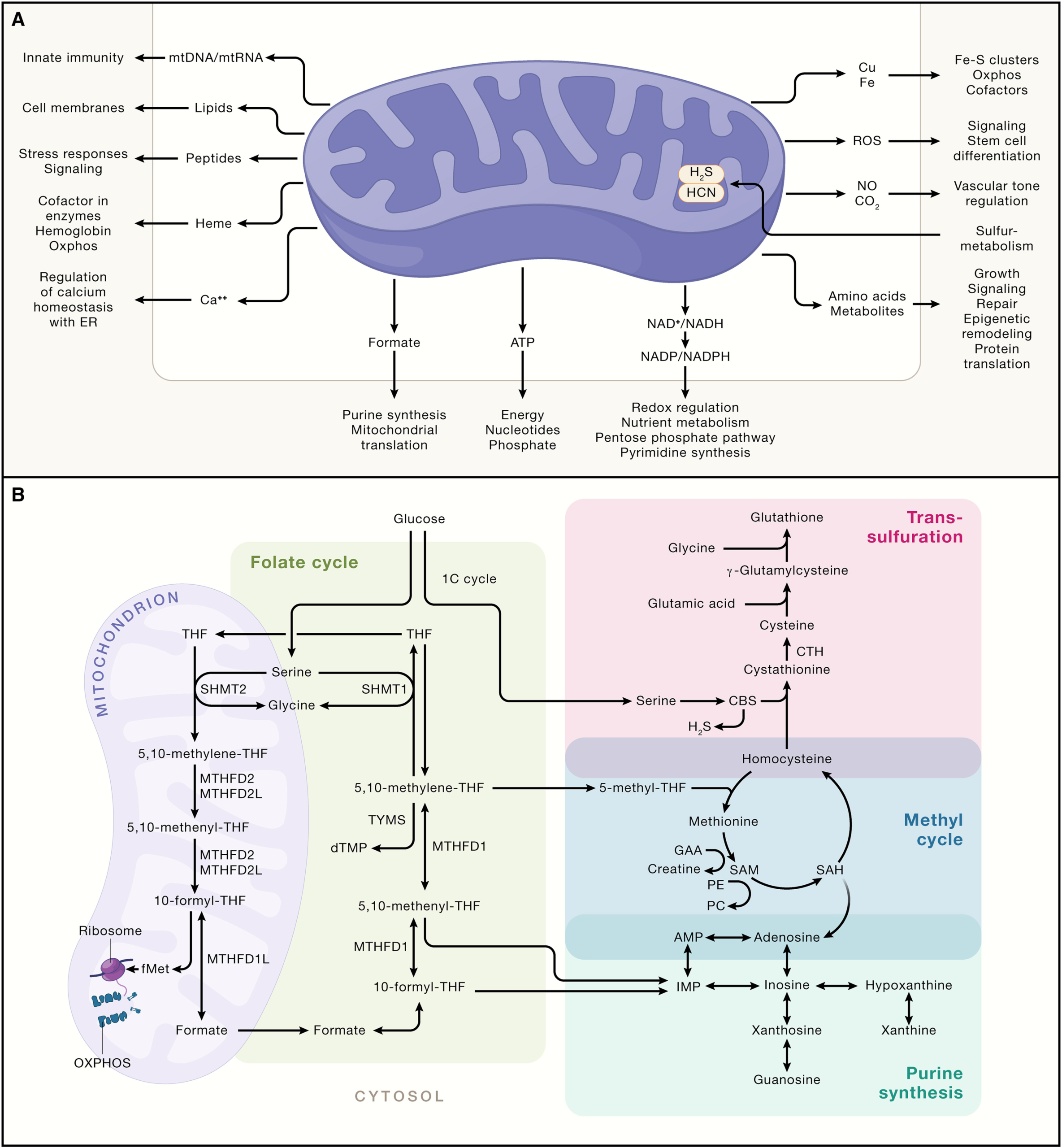
- Differentiate metabolic pathways based on their cellular location.
- Identify pathways that require shuttling of intermediates between the mitochondria and cytosol.
- Memorize the “dual-location” pathways essential for USMLE Step 1.
1. The Cellular Map
Efficient metabolism requires the physical separation of opposing pathways (e.g., fatty acid synthesis vs. oxidation) to prevent futile cycles.
| Location | Metabolic Pathways |
|---|---|
| Mitochondria | * Fatty acid oxidation (β-oxidation) * Acetyl-CoA production * TCA cycle * Oxidative phosphorylation * Ketogenesis |
| Cytoplasm | * Glycolysis * HMP shunt * Fatty acid synthesis * Nucleotide synthesis * Protein synthesis (RER/Ribosomes) * Cholesterol synthesis (SER) |
| Both | * Heme synthesis * Urea cycle * Gluconeogenesis |
Activity
Clinical Correlate: The Malate-Aspartate Shuttle
Because NADH produced in the cytoplasm during glycolysis cannot cross the inner mitochondrial membrane directly, it uses shuttles (Malate-Aspartate or Glycerol-3-Phosphate) to deliver electrons to the Electron Transport Chain.
Activity
Activity
You must be logged in to post a comment.