
Learning Objectives
By the end of this session, the learner will be able to describe the metabolic pathways of common alcohols, identify the toxic metabolites responsible for metabolic acidosis, and recognize the clinical features of Fetal Alcohol Syndrome (FAS) and Disulfiram-like reactions.
1. Metabolism of Alcohols
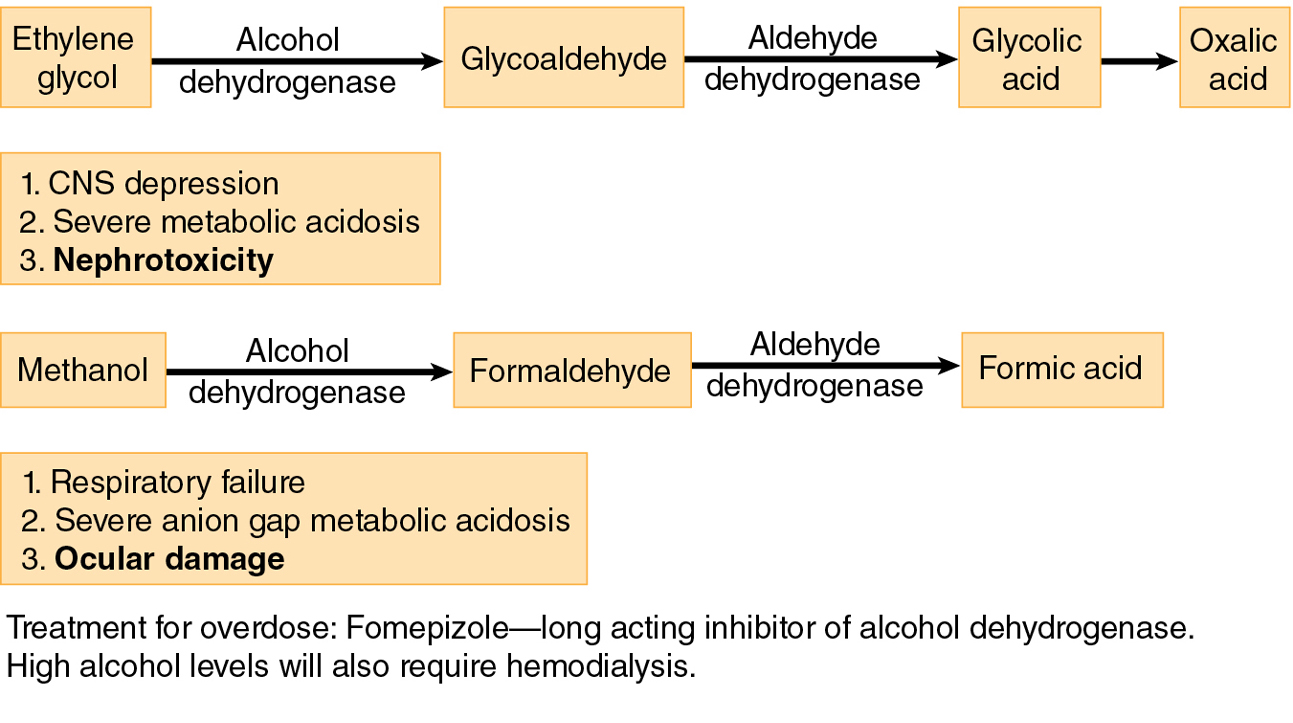
All alcohols follow a similar two-step oxidation pathway in the liver. The toxicity of methanol and ethylene glycol is not due to the alcohols themselves, but their acidic metabolites.
| Step | Enzyme | Inhibitor (Pharmacotherapy) |
|---|---|---|
| Step 1 | Alcohol Dehydrogenase | Fomepizole (Antidote for Methanol/Ethylene Glycol) |
| Step 2 | Aldehyde Dehydrogenase | Disulfiram (Used in Alcoholism to cause aversion) |
2. Comparison of Alcohol Toxicities
All alcohols cause CNS depression and a High Anion Gap Metabolic Acidosis, but they differ in their “target organ” damage.
| Alcohol | Toxic Metabolite | Clinical Hallmark |
|---|---|---|
| Ethanol | Acetaldehyde | Nausea, flushing, hangover symptoms. |
| Methanol | Formic Acid | Retinal damage / Blindness. |
| Ethylene Glycol | Oxalic Acid | Nephrotoxicity (Calcium oxalate crystals in urine). |
3. Fetal Alcohol Syndrome (FAS)
Ethanol is a potent teratogen. FAS is characterized by a specific triad of findings:
| Category | Specific Findings |
|---|---|
| Facial Features | Smooth philtrum, thin upper lip, small palpebral fissures. |
| CNS Dysfunction | Microcephaly, intellectual disability, and behavioral problems. |
| Growth | Pre- and postnatal growth restriction. |
4. Disulfiram-like Reactions
Some drugs inhibit aldehyde dehydrogenase as a side effect. If alcohol is consumed while taking these, Acetaldehyde accumulates, causing severe illness (flushing, nausea, tachycardia).
High-Yield Medications to Remember:
- Metronidazole (Antibiotic)
- Griseofulvin (Antifungal)
- First-generation Sulfonylureas (e.g., Chlorpropamide)
- Certain Cephalosporins (e.g., Cefotetan)
Clinical Pearls:
- Fomepizole Mechanism: It has a higher affinity for Alcohol Dehydrogenase than Methanol/Ethylene Glycol, preventing their conversion into toxic acids.
- Ethylene Glycol Diagnosis: Look for “envelope-shaped” calcium oxalate crystals in the urinalysis.
You must be logged in to post a comment.