
Learning Objectives
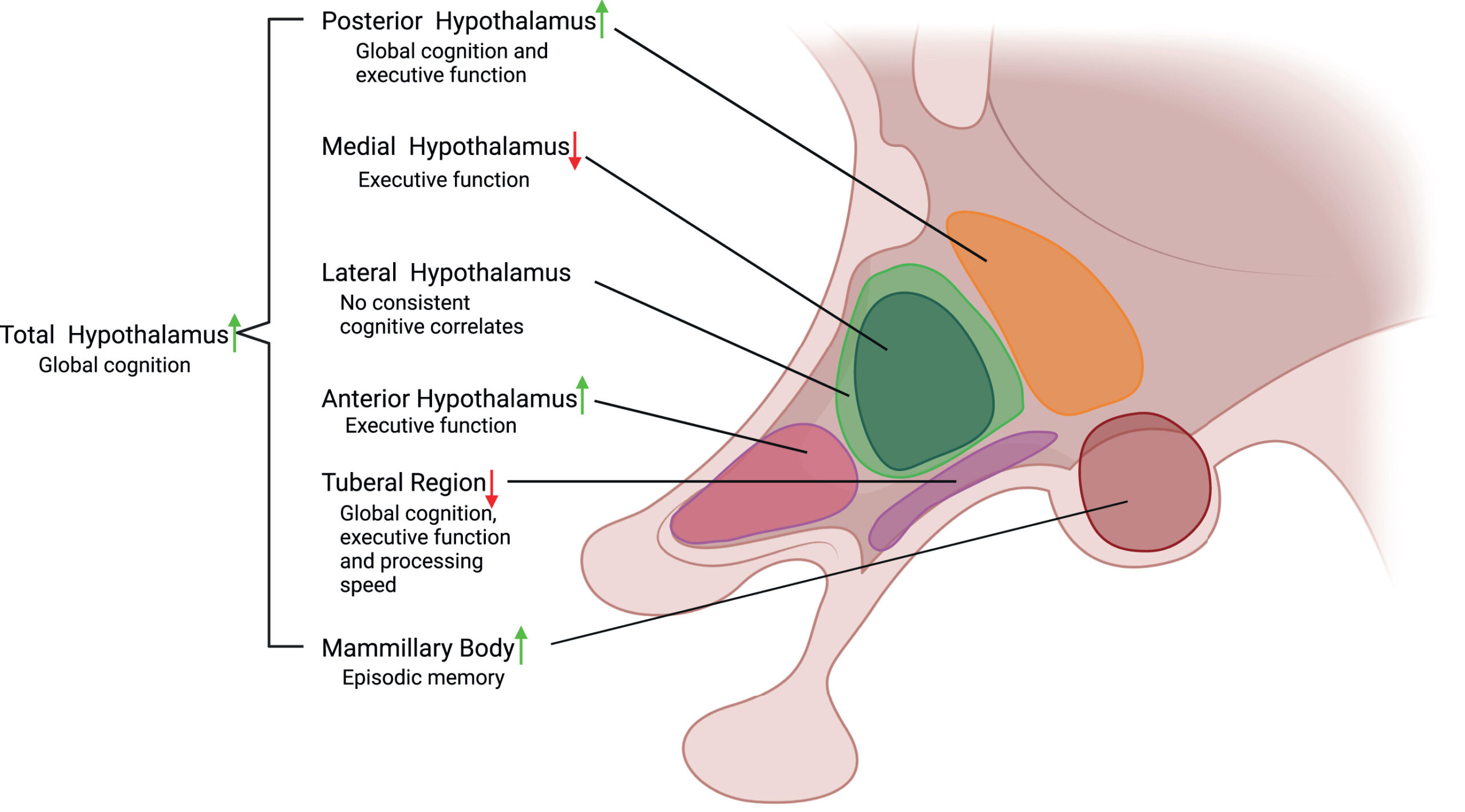
- Describe the anatomical location and nuclear organization of the hypothalamus (including SCN, PVN, Arcuate, and Ventromedial nuclei).
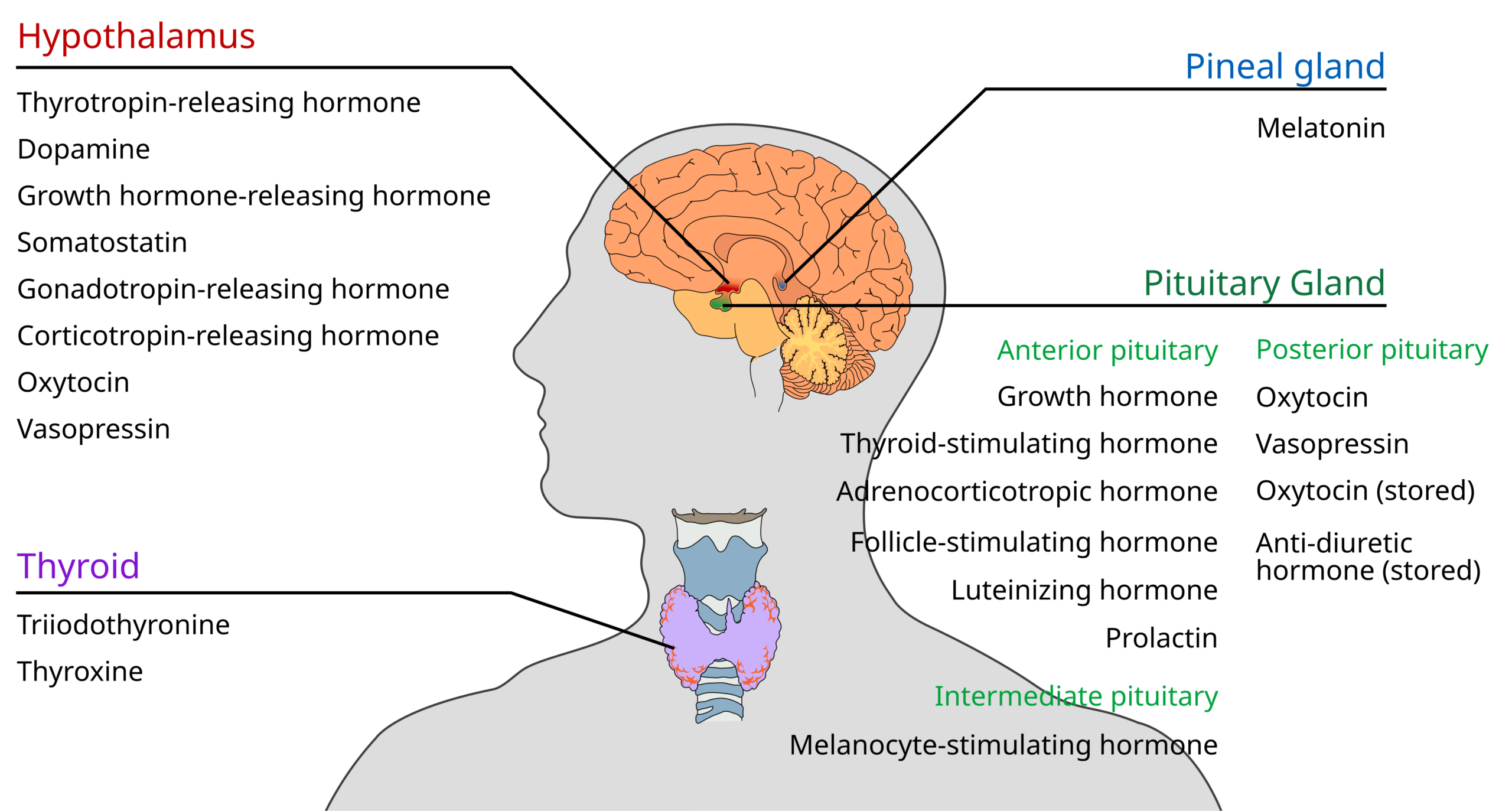
- Explain the hypothalamus’s dual role in bridging the nervous and endocrine systems via autonomic, endocrine, and behavioral regulation.
- Examine major clinical correlates such as hormonal disorders, obesity, sleep disturbances, and stress-related conditions.
1. Anatomy & Key Hypothalamic Nuclei
The hypothalamus is a compact yet vital diencephalic region located below the thalamus and directly above the pituitary gland.
| Hypothalamic Nucleus | Key Hormones & Peptides | Primary Physiological Role |
|---|---|---|
| Suprachiasmatic Nucleus (SCN) | Neuropeptides / Clock proteins | Master biological clock regulating circadian rhythms and sleep-wake cycles. |
| Paraventricular Nucleus (PVN) | Oxytocin & Vasopressin (ADH) | Involved in water balance, stress responses, and social bonding. |
| Arcuate Nucleus (ARC) | GHRH, GnRH, CRH, TRH, Dopamine | Secretes regulatory hormones controlling anterior pituitary function. |
| Ventromedial Nucleus (VMN) | Satiety-signaling peptides | Regulates feeding behavior, satiety, and energy balance. |
2. Core Physiological Functions
- Autonomic Regulation: Integrates visceral inputs to control body temperature, blood pressure, heart rate, and respiration.
- Endocrine Bridge: Controls pituitary hormone secretion through direct neural transport to the posterior lobe and portal vessel delivery to the anterior lobe.
- Emotional & Circadian Control: Modulates primitive behavioral drives (fear, aggression, reward) and synchronizes bodily rhythms to environmental light cycles via the SCN.
Clinical Notes & Pathology:
- Hormonal Imbalances: Structural damage or tumors (such as craniopharyngiomas) can disrupt hypothalamic-pituitary axes, leading to panhypopituitarism and diabetes insipidus.
- Appetite & Metabolic Disorders: Lesions or genetic mutations affecting the ventromedial or arcuate nuclei can cause severe, intractable obesity or contribute to eating disorders like anorexia nervosa.
- Sleep & Mood Disorders: SCN dysfunction triggers severe circadian sleep disorders, while limbic-hypothalamic dysregulation contributes to clinical anxiety and depression.
Key Points & Memory Hooks:
Master Homeostat: The hypothalamus acts as the body’s ultimate thermostat, osmostat, and neuroendocrine switchboard.
SCN = Sun Clock: The Suprachiasmatic nucleus uses light cues to keep your biological clock synchronized.
Feeding Hubs: Remember that ventromedial hypothalamic lesions induce hyperphagia and massive obesity, acting as the brain’s “satiety center.”
You must be logged in to post a comment.