
Learning Objectives
- Identify the core anatomical components of the limbic system (hippocampus, hypothalamus, thalamus, cingulate cortex, and amygdala) and their functional roles.
- Describe the vascular supply to limbic structures provided by the anterior, middle, and posterior cerebral arteries (ACA, MCA, and PCA).
- Examine major clinical correlations including Alzheimer’s disease, mood and anxiety disorders, PTSD, addiction, and mesial temporal lobe epilepsy.
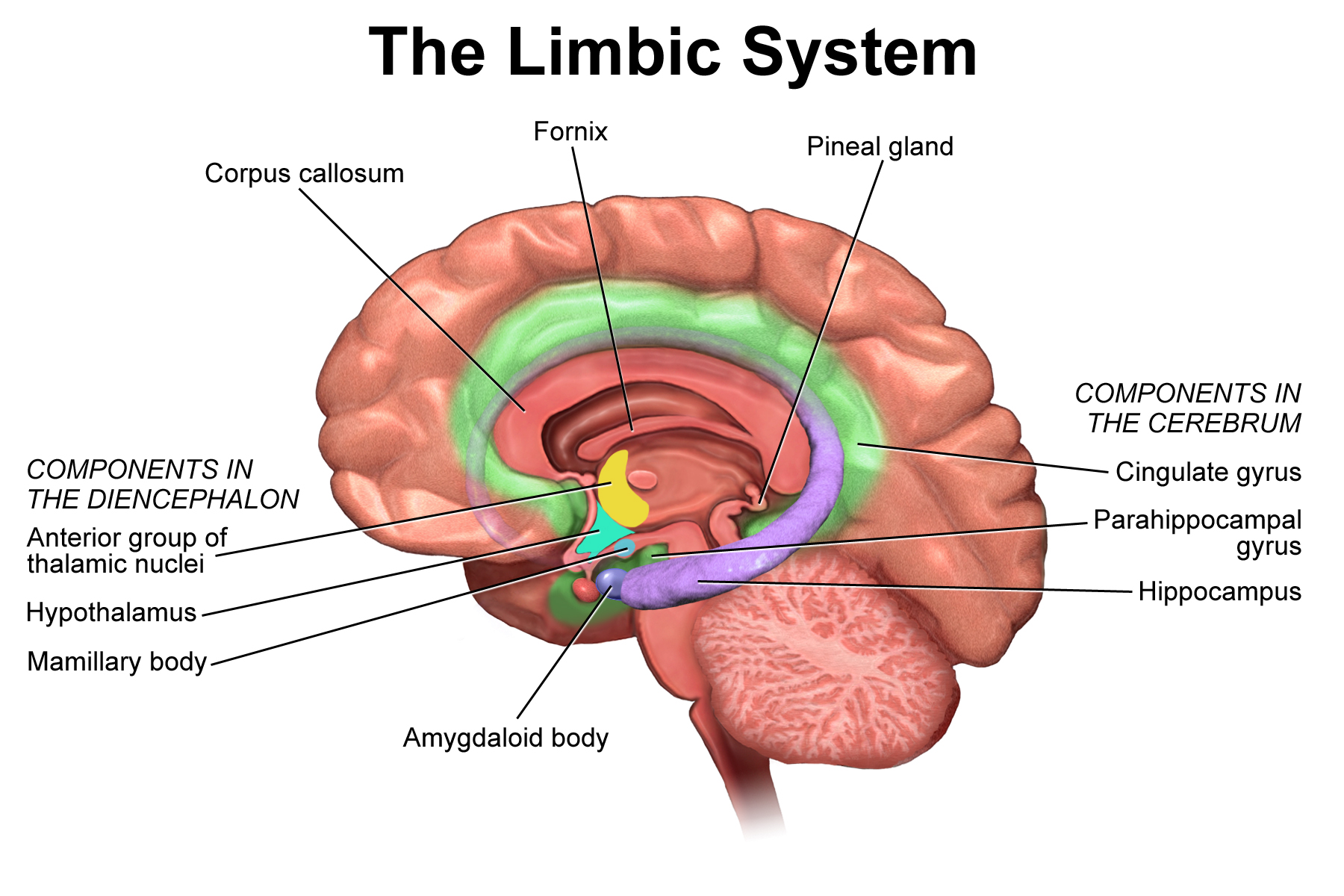
1. Anatomy of the Limbic System
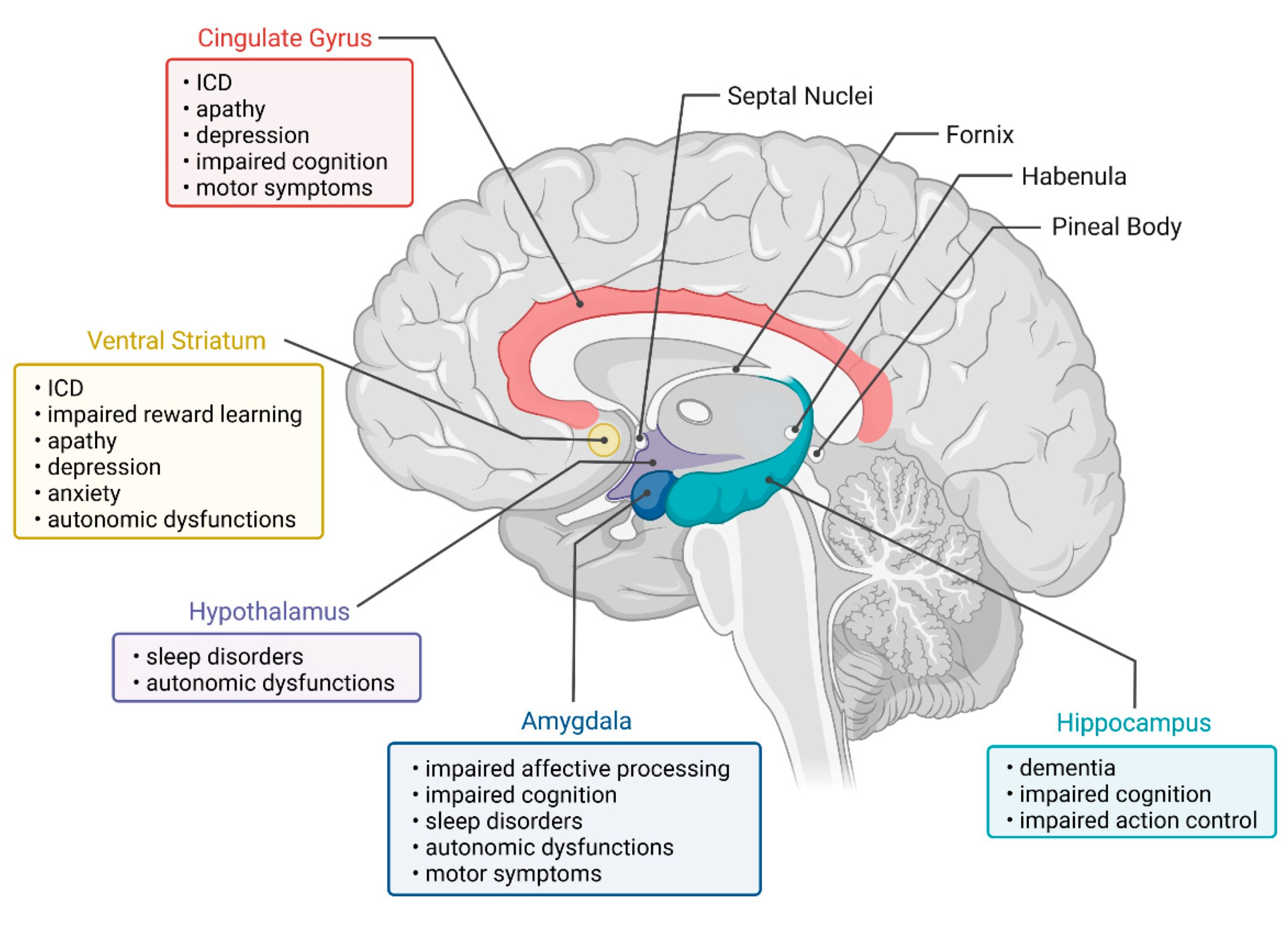
The limbic system is an interconnected neural network governing emotion, memory, motivation, and fundamental behavioral drives.
| Structure | Anatomical Location | Primary Functional Role |
|---|---|---|
| Hippocampus | Medial temporal lobe | Crucial for memory consolidation and spatial navigation. |
| Amygdala | Temporal lobe | Processes and regulates emotions, particularly fear, threat detection, and aggression. |
| Hypothalamus | Inferior to the thalamus | Controls autonomic tone, endocrine regulation, and drives like hunger, thirst, and sleep. |
| Cingulate Cortex | Superior to the corpus callosum | Involved in emotional regulation, attention, decision-making, and pain perception. |
| Thalamus | Central diencephalon | Acts as a major relay and gating station directing sensory inputs to appropriate cortical areas. |
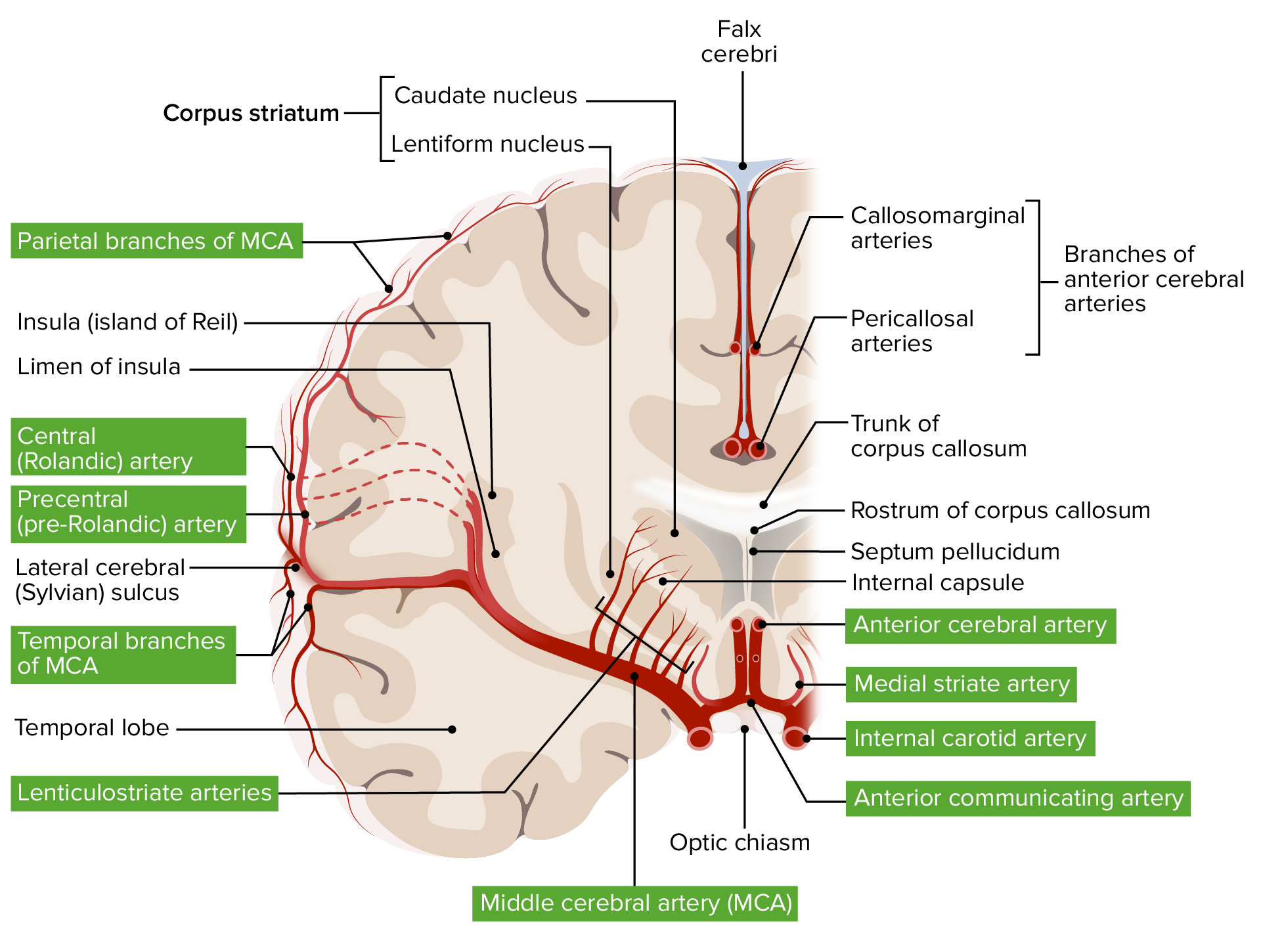
2. Blood Supply
- Anterior Cerebral Artery (ACA): Supplies medial frontal and parietal surfaces, including the anterior portion of the cingulate cortex.
- Posterior Cerebral Artery (PCA): Provides critical perfusion to posterior hemispheres, including the hippocampus, amygdala, and posterior cingulate cortex.
- Middle Cerebral Artery (MCA): Supplies lateral hemispheric regions, extending branches to portions of the cingulate cortex and deep subcortical nuclei.
Clinical Notes & Pathology:
- Alzheimer’s Disease: Early degeneration and tau/amyloid pathology within the hippocampus and temporal limbic structures drive profound memory impairment.
- PTSD & Mood Disorders: Hyperactivity and volumetric changes in the amygdala and prefrontal-cingulate pathways contribute to anxiety, depression, and persistent fear conditioning in PTSD.
- Addiction & Epilepsy: The mesolimbic dopamine pathway acts as the primary reward substrate for addictive behaviors, while the mesial temporal structures (particularly the hippocampus) are a common focal origin for temporal lobe epilepsy.
Key Points & Memory Hooks:
Hippocampus & Amygdala Vascularity: Because deep temporal limbic structures rely on the PCA, posterior circulation strokes frequently present with distinct memory and emotional deficits.
Emotional Hubs: Amygdala equals fear and emotional memory; Hippocampus equals spatial and factual memory storage.
Epileptic Hotspot: The limbic network’s dense recurrent connections make the medial temporal lobe uniquely vulnerable to seizure initiation.
You must be logged in to post a comment.