
Category: Mymedschool.org
-

MOODLE learning platform
Moodle is a comprehensive and versatile learning management system (LMS) that offers a wide range of features to support online education and training. Some of the key features of Moodle include:
-

Job Posting: Course Expert
Join our Medical Education Team at MyMedSchool.org At MyMedSchool.org, we are dedicated to revolutionizing medical education by providing cutting-edge online courses and resources for aspiring medical professionals. Our platform serves as a gateway to excellence, empowering learners to achieve their academic and professional goals in the field of medicine. As we continue to expand our…
-

Job Posting: Course Coder
As a Content Developer for our online medical courses, you will play a crucial role in creating engaging and interactive learning materials. Your expertise will help us deliver exceptional educational experiences to our learners. You will collaborate with subject matter experts, instructional designers, and multimedia specialists to develop MCQs, pictures, H5P contents, interactive pictures, interactive…
-

Job Posting: Course Manager
We are seeking a dedicated and skilled Course Manager to join our team at Mymedschool.org. As the Course Manager, you will be responsible for maintaining and managing our online database of courses. Your expertise in Moodle, Microsoft Office, and internet management will be critical in developing and managing the course content and ensuring a seamless…
-

Medical school curriculum
Traditionally medical school has been following a subject-wise curriculum, medical subjects are taught in different semesters/years followed by an exam.
-

“Vision” of the medical schools
The vision of a medical school is a forward-looking and aspirational statement that outlines the institution’s long-term goals and aspirations. It reflects the school’s commitment to excellence in medical education, patient care, research, and community service. The vision of a medical school can be articulated as follows:
-

System wise curriculum
A modular medical school curriculum is an innovative approach to medical education that breaks down the traditional linear structure of teaching into smaller, interconnected modules.
-

Internships at traditional medical schools
In a traditional medical school, the internship, also known as the “rotating internship” or “compulsory rotating residential internship” (CRRI), is a crucial phase that bridges the gap between medical school and independent medical practice.
-
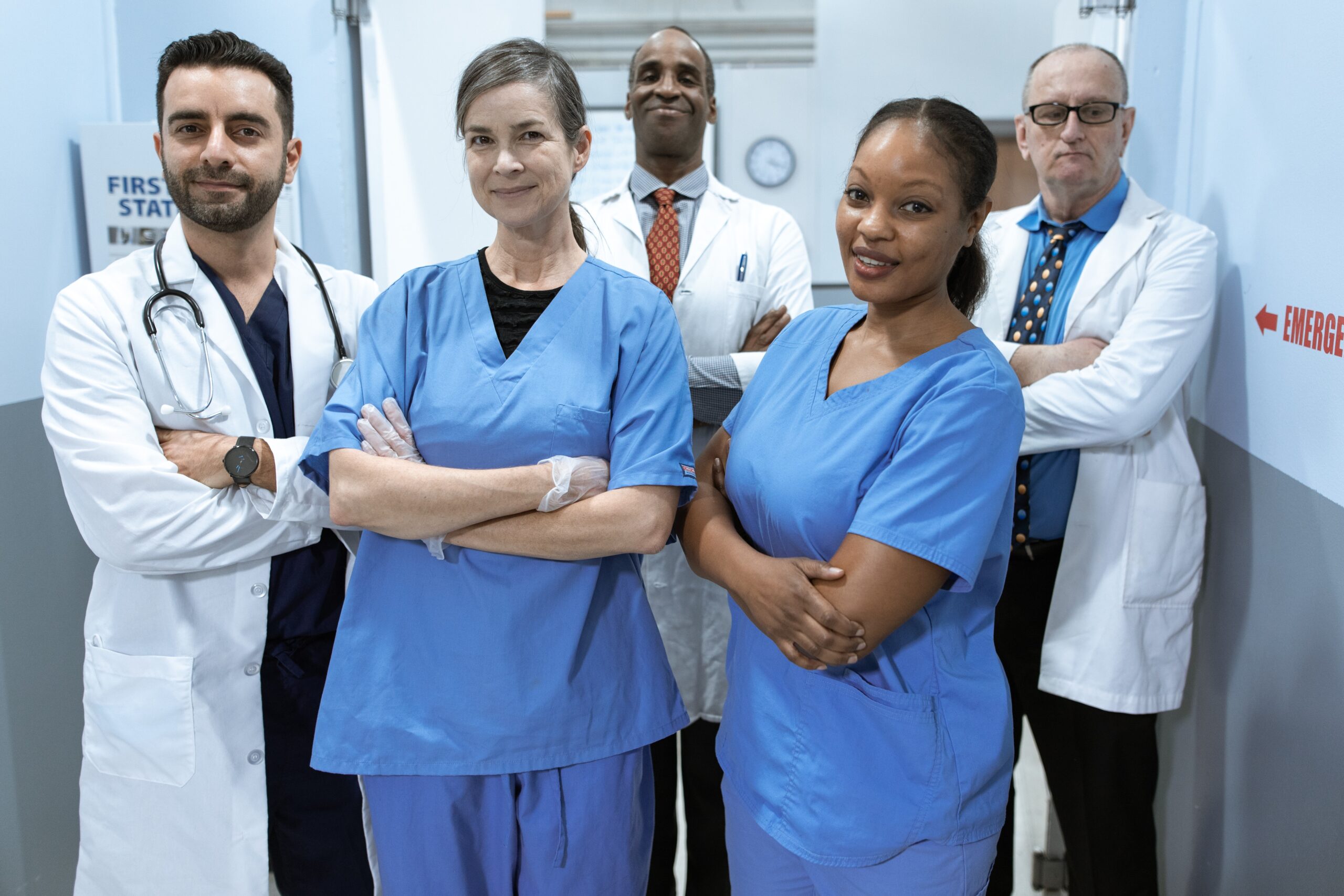
4th year at a traditional medical school
In the fourth year of a traditional medical school, students typically transition from classroom-based learning to more advanced clinical training.
-

3rd year at traditional medical school
In the third year of a traditional medical school, students transition from the foundational pre-clinical years to the clinical phase of their training. The focus shifts from classroom-based learning to hands-on clinical experience. Here are the key aspects of the third year:
-

2nd year at a traditional medical school
In the second year of a traditional medical school, students delve deeper into clinical sciences and continue to build upon their foundational knowledge. The curriculum typically includes the following subjects:
-

1st year at traditional medical school
In a traditional medical school, the first year of the medical program is focused on laying a solid foundation in basic sciences and providing an introduction to clinical skills.
-

C8: Patient-Centered Care
Patient-Centered Care is a core competency in medical education that emphasizes the importance of placing the patient’s needs, preferences, and
-

C7: Lifelong Learning
The “Lifelong Learning” C7 competency is a fundamental aspect of medical education and the practice of medicine. It refers to the commitment and ability of physicians to engage in continuous learning and professional development throughout their careers.
-

C6: Teamwork and Collaboration
Teamwork and collaboration “C6” are essential competencies in the medical field, emphasising the ability of healthcare professionals to work effectively as part of an interdisciplinary team. As medicine becomes more complex and multidisciplinary, the importance of teamwork in delivering high-quality patient care has grown significantly. This competency involves several key elements:
-

C5: Critical thinking and problem-solving
Critical thinking and problem-solving competency is a fundamental skills that medical schools aim to develop in their students.
-

C4: Communication
Communication competency is a critical skill for individuals in various fields, including healthcare, business, education, and many others. In the context of healthcare, effective communication is an essential attribute for healthcare professionals, including doctors, nurses, therapists, and administrators. It refers to the ability to exchange information, ideas, and emotions with patients, their families, and other…
-

C3: Professionalism
Professionalism is a critical competency for medical students and physicians, encompassing a set of behaviours, attitudes, and values that are essential for providing high-quality patient care and maintaining the integrity of the medical profession. It goes beyond clinical knowledge and technical skills and reflects the commitment to ethical conduct, empathy, and accountability in all aspects…
-

C2: Clinical Skills
Clinical Skills competency refers to the ability of medical professionals to perform a range of clinical procedures and techniques with precision, accuracy, and proficiency.
-

C1: Medical Knowledge
Medical Knowledge competency is typically assessed through written examinations, clinical assessments, and standardised tests like the United States Medical Licensing Examination (USMLE) or other national medical licensing exams in different countries.