
Mymedschool ID
FAIMER ID
F0000071
School Type
Public
Year Instruction Began
1632
Operational Status
Currently Operational
Alternate names
Tartu Ülikool Arstiteaduskonna
Academic Affiliation
–
School Website
In English
Additional information
–
School Contact
Qualification Title
Arstikraad (M.D.)
Curriculum Duration
6 years
Language of Instruction
Estonian, English
Foreign Students
Accepted
Prerequisite Education:
Admission follows completion of an undergraduate degree.
Gender
Both genders accepted
Accredited by
ECFMG & Canada Exams
Yes
Medical courses
Exam courses
-
KROK Self-Assessment 1.2
-
KROK Part 1: Complete Review
-
KROK Part 1 Self-Assessment
-
USMLE Step 1 Review Series
-
UKMLA: PLAB Part 1 Self Assessment Quiz
-
MRCP Part 1 Self-Assessment
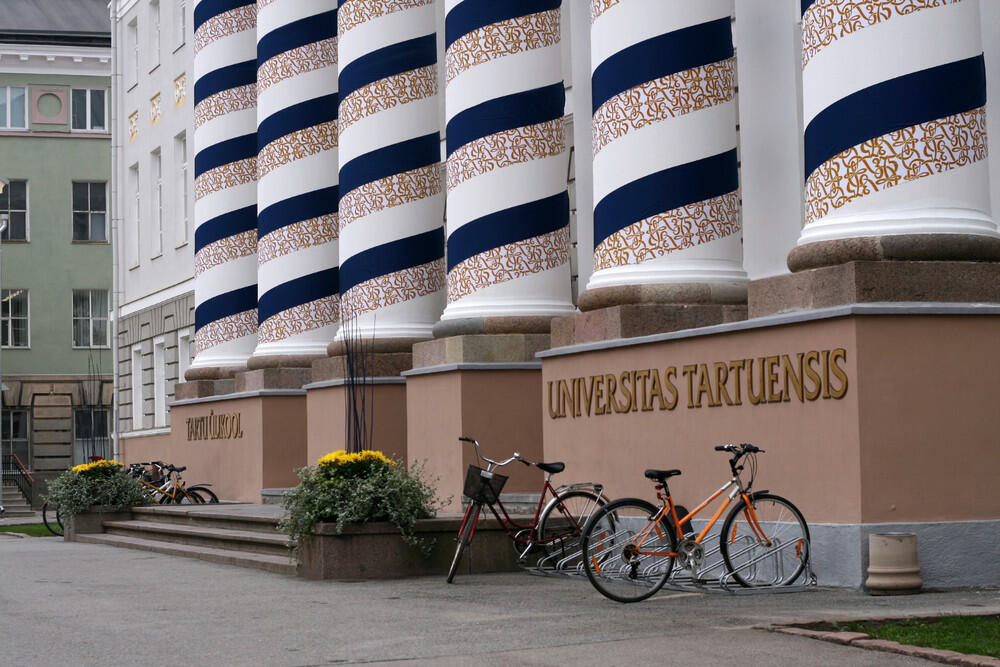
The Faculty of Medicine at the University of Tartu (Tartu Ülikool) is Estonia’s flagship medical school and a historic centre for medical education in the Baltics. Founded in 1632, the faculty has trained nearly 99 % of Estonia’s doctors and remains the leading institution for medicine and health sciences in the country.
Admission Procedure
1. Integrated Medicine Programme (6 years; English)
For international students, the Medicine (MD) programme is fully taught in English and leads to an integrated bachelor’s and master’s degree over six years (360 ECTS credits).
Application timeline:
- 2 January: Application opens
- 15 April: Deadline
- 1 June: Admission results announced
- 31 August: Academic year begins
Evaluation Components:
- Motivation Letter – 20 %
- Online Entrance Exam (Physics & Chemistry) – 60 %
- Interview – 20 %
Applicants must score at least 51 points on both the exam and motivation components to qualify for the interview.
You also need:
- A completed secondary education diploma
- Proof of English proficiency
- Certified translations of documents, if needed
- Application fee (usually ~€100 for international applicants)
Estonian language is taught as part of the curriculum because clinical years and patient interaction in Estonia require local language skills.
2. Other Programmes in Medicine (English)
Besides the MD programme, the Faculty offers English-taught master’s degrees:
- Clinical Pharmacy
- Clinical Nutrition
Both are postgraduate-level programmes aimed at specialised careers in healthcare and allied health sciences.
There are also various Estonian-language bachelor’s and master’s degrees in public health, nursing science, and physiotherapy through the Institute of Family Medicine and Public Health.
Courses and Curriculum
The Medicine programme blends theory, practical skills, and real patient exposure:
🧠 Core Areas Covered
- Basic medical sciences (anatomy, physiology, biochemistry)
- Clinical medicine and diagnostics
- Epidemiology, ethics, and public health
- Hands-on clinical rotations at Tartu University Hospital — Estonia’s largest and only academic hospital.
📍 Language & Skills
Although the programme is in English, Estonian language learning is compulsory so graduates can communicate effectively with local patients.
Elective and research components ensure students are prepared for both clinical work and scientific inquiry — many students participate in early research or advanced coursework.
Prospects After Graduation
🎓 Career Pathways
Once you complete the six-year MD programme, you:
- Receive a medical doctor degree (MD)
- Become eligible to work as a general physician
- Can enter postgraduate specialist training (residency) in Estonia or abroad
🧑⚕️ Residency in Estonia
Residency training involves 3-5 years of supervised specialist training in areas like internal medicine, surgery, family medicine, etc. Residents usually receive a salary (over €2,000/month) during training.
🌍 EU Recognition
Graduates from the University of Tartu have a degree recognised across the EU, opening doors to work or specialise anywhere in the European Union.
💼 Salary & Demand
In Estonia, doctors generally earn between ~€2,000 – €8,000+ per month, depending on experience, specialty, and location. Tartu often offers some of the highest physician salaries in the country (~€6,800/month).
Life as a Doctor in Estonia
⚖️ Work Environment
Estonia’s healthcare system combines public and private care, with a high standard of health infrastructure. The Tartu University Hospital is a centre of excellence providing modern facilities and cutting-edge medicine.
🗣 Language & Licensing
To practice independently, doctors must be registered with the Estonian Health Board. If your degree was earned outside the EU/EEA/Switzerland, you must pass a compliance examination including theory and clinical practice, typically in Estonian.
Even EU-trained doctors usually need high proficiency in Estonian, especially for patient care.
🧠 Work–Life Balance
Estonian physicians often value balanced work schedules and quality of life. The country is known for its digital healthcare systems, cultural richness, and outdoor recreation — appealing both during training and after career establishment.
👩🔬 Community & Culture
Working as a doctor in Estonia also means joining a tight-knit medical community with opportunities for research, teaching, and leadership — exemplified by many alumni serving in academia and public life.


