
Mymedschool ID
MD.NL.001
FAIMER ID
F0001885
School Type
Public
Year Instruction Began
1575
Operational Status
Currently operational
Alternate names
Leids Universitair Medisch Centrum
Rijksuniversiteit Te Leiden
Academic Affiliation
Private
School Website
Additional information
Only students holding a bachelor’s degree in medicine from Leiden University are admitted.
Additional information
Qualification Title
Master of Science in Medicine
Curriculum Duration
3 years
Language of Instruction
Dutch; Flemish
Foreign Students
Accepted
Prerequisite Education
Admission follows completion of an undergraduate degree.
Gender
Both genders accepted
ECFMG & Canada Exams
Yes
Basic sciences courses
Exam courses
-
USMLE Step 1 Self Assessment
-
USMLE Step 1 Review Series
-
UKMLA: PLAB Part 1 Self Assessment Quiz
-
UKMLA: PLAB Part 1 Review
-
MRCP Part 1 Self-Assessment
-
MRCP Part 1 Review
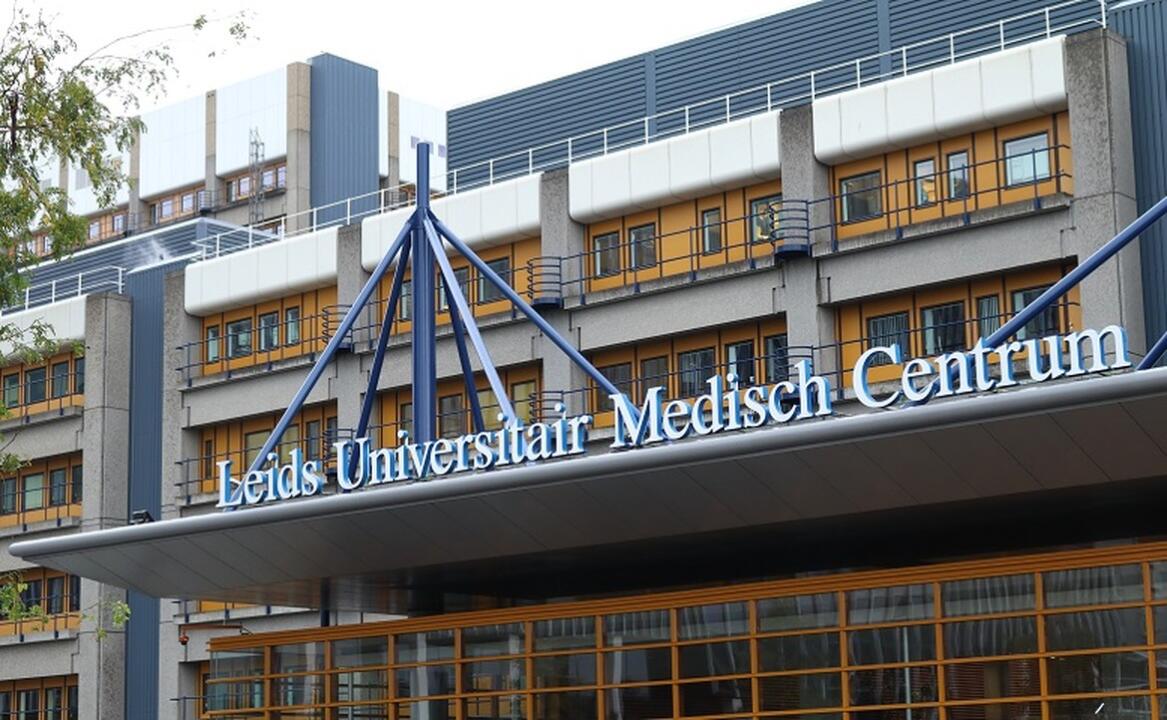
Leiden University Medical Center (LUMC) is one of Europe’s leading academic medical centers and forms part of Leiden University, founded in 1575. Located in the historic city of Leiden, LUMC integrates medical education, research, and patient care within a single academic environment.
LUMC is known for its strong biomedical research, early clinical integration, and international outlook, making it a highly attractive destination for students seeking medical education in Europe.
Admission Process
1. Entry Requirements
Medicine in the Netherlands is typically a 6-year undergraduate program (Bachelor + Master).
Applicants must have:
- Equivalent of Dutch VWO diploma with a strong science background
- Required subjects: Biology, Chemistry, Physics, and Mathematics
- Dutch language proficiency (most undergraduate medical training is in Dutch)
International students may need diploma recognition via Nuffic evaluation.
2. Selection Procedure
Admission to medicine in the Netherlands is competitive and involves:
- Academic ranking
- Selection exams
- Motivation letter
- Possible interviews
- Decentralized selection process
Each year, a limited number of students are admitted due to national enrollment caps (numerus fixus).
Course and Curriculum
Structure of the Medical Program
The medical program at LUMC consists of:
Years 1–3: Bachelor of Medicine
- Foundational biomedical sciences
- Problem-based and case-based learning
- Early patient exposure
- Clinical skills training
- Research methodology
Years 4–6: Master of Medicine
- Full-time clinical rotations
- Major specialties include:
- Internal Medicine
- Surgery
- Pediatrics
- Psychiatry
- Obstetrics & Gynecology
- Neurology
- Research internship
- Electives (including international placements)
The program emphasizes evidence-based medicine, research integration, and patient-centered care.
Graduates receive the Dutch medical degree and can register as physicians after completing the required training.
Prospects After Graduation
After completing the 6-year program, graduates:
- Register as basic physicians in the Netherlands
- Enter specialist training (residency), which is competitive
- Work in hospitals, research institutes, or public health
- Pursue PhD programs (common pathway in the Dutch system)
The Netherlands offers strong research funding and academic medicine opportunities, especially at institutions like LUMC.
Life as a Doctor in the Netherlands
Work Environment
Doctors in the Netherlands typically enjoy:
- Structured working hours
- Strong work-life balance
- Regulated training pathways
- High clinical standards
Salary & Career
Physicians earn competitive European salaries, increasing substantially after specialization.
Healthcare System
The Dutch healthcare system is:
- Universal and insurance-based
- Primary care–focused
- Highly regulated and quality-controlled
International graduates must meet Dutch language and licensing requirements to practice.


