
Learning Objectives
Differentiate Polymyalgia Rheumatica (PMR) from inflammatory myopathies by distinguishing stiffness from weakness. Identify the critical association with Giant Cell (Temporal) Arteritis and recognize the characteristic laboratory profile and rapid therapeutic response to steroids.
1. Clinical Presentation
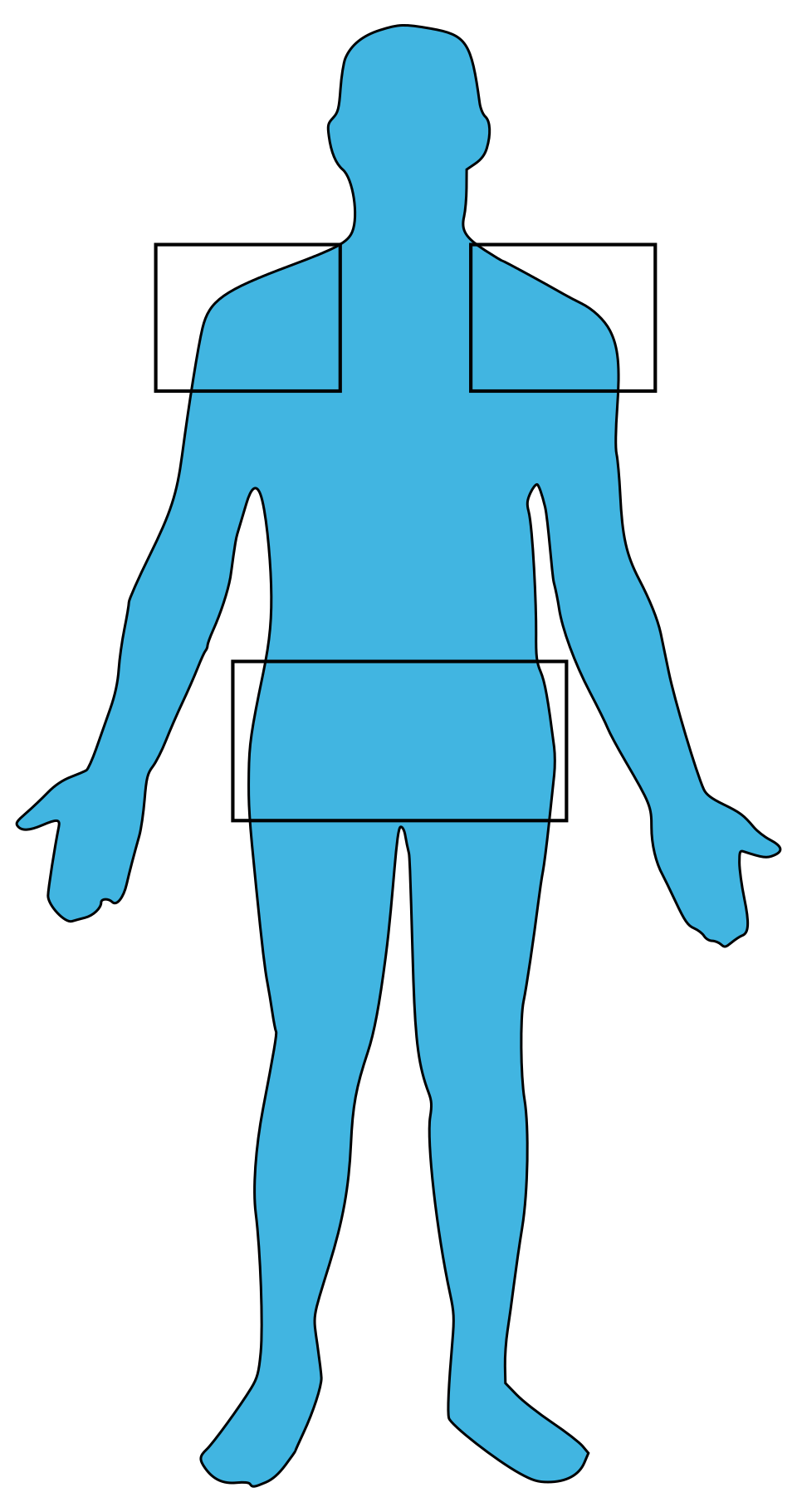
PMR is an inflammatory disorder that predominantly affects females over 50 years of age. The hallmark is symmetric involvement of the “girdle” muscles.
- Symptoms: Severe pain and stiffness in proximal muscles, most notably the shoulders and hips. This is often accompanied by systemic “B-symptoms” like fever, malaise, and weight loss.
- The “Weakness” Trap: PMR does not cause true muscular weakness. While the pain may make movement difficult, muscle strength testing remains normal (unlike Polymyositis).
- Associated Condition: Highly associated with Giant Cell (Temporal) Arteritis. Patients should be screened for new-onset headaches or visual changes.
2. Laboratory Findings & Diagnosis
The diagnosis is primarily clinical but supported by markers of systemic inflammation. Because there is no direct muscle destruction, muscle enzymes remain unaffected.
| Lab Marker | Finding in PMR | Clinical Significance |
|---|---|---|
| ESR / CRP | Markedly Elevated | Reflects high systemic inflammation. |
| Creatine Kinase (CK) | Normal | Crucial for ruling out myositis (actual muscle damage). |
Activity: PMR Differential Filter
High-Yield Mnemonics:
- PMR Profile: Pain (not weakness), Markedly high ESR, Rapid response to steroids.
- Steroid Response: A “miraculous” improvement within 48 hours of low-dose steroids is diagnostic.
- The Girdles: Think of the “Shoulder and Hip Girdles” being locked by stiffness.
You must be logged in to post a comment.