
h1>Learning Objectives
Understand the biochemical and clinical importance of Zinc. Identify its role in enzyme function and gene expression, and recognize the multisystemic manifestations of Zinc Deficiency and Acrodermatitis Enteropathica for the USMLE Step 1.
1. Biochemical Functions of Zinc
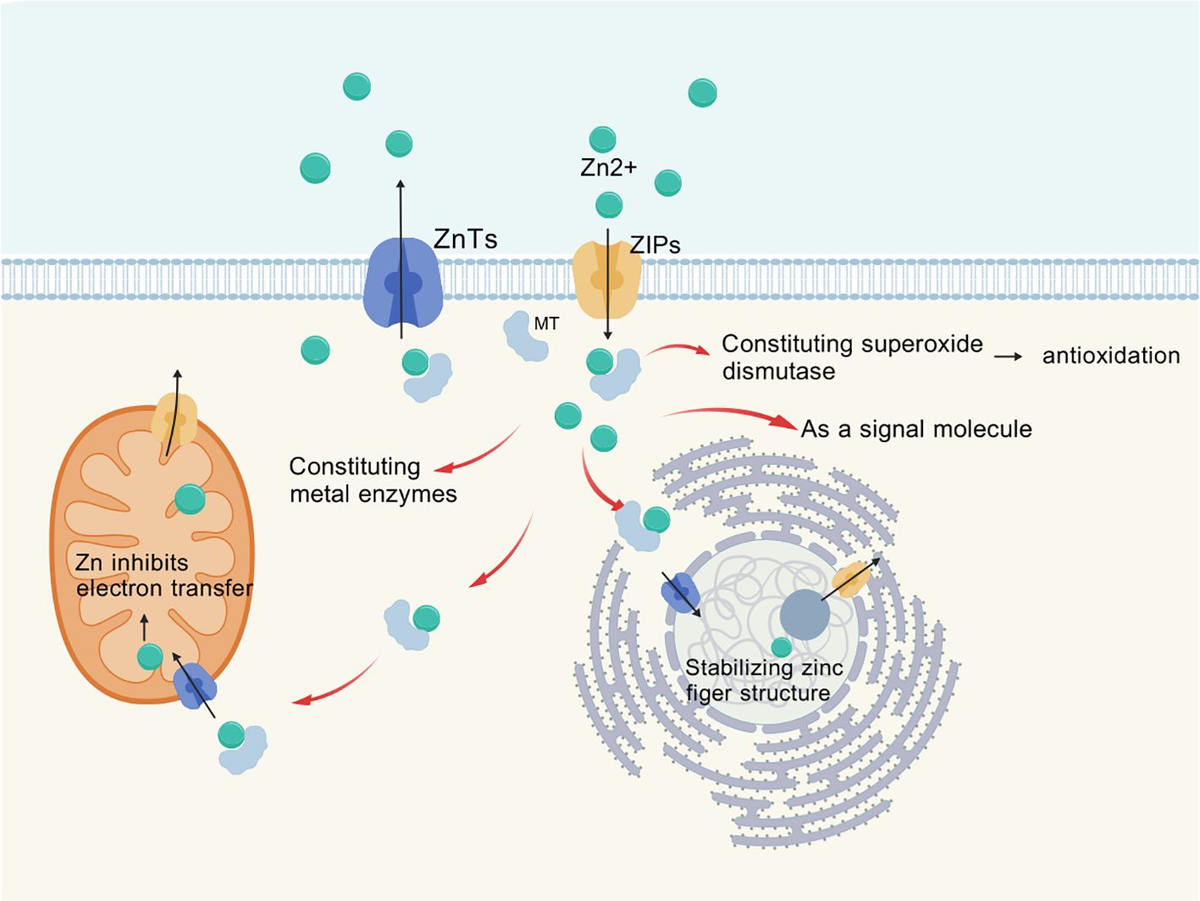
Zinc is a critical trace mineral serving as a structural or catalytic cofactor for over 100 enzymes (e.g., Carbonic Anhydrase, Alcohol Dehydrogenase).
| Function | Biochemical Mechanism |
|---|---|
| Zinc Fingers | The most common DNA-binding domain in transcription factors. Zinc ions stabilize the “finger” structure to allow for gene regulation. |
| Wound Healing | Essential for protein synthesis and cell division during tissue repair. |
| Enzymatic Activity | Required for the function of alkaline phosphatase, collagenase, and DNA/RNA polymerases. |
2. Clinical Manifestations of Deficiency
Zinc deficiency is often characterized by a lack of rapidly dividing cells, affecting the skin, immune system, and reproductive organs.
| System | Clinical Finding |
|---|---|
| Dermatologic | Delayed wound healing, hair loss (alopecia), and inflammatory skin rashes. |
| Sensory | Dysgeusia (distorted taste) and Anosmia (loss of smell). |
| Reproductive | Male hypogonadism and decreased adult hair (axillary, facial, pubic). |
| Immunological | Suppressed immunity; increased susceptibility to infections. |
3. Acrodermatitis Enteropathica
This is a rare, autosomal recessive congenital defect in intestinal zinc absorption.
| Clinical Triad | Details |
|---|---|
| 1. Hair Loss | Alopecia of the scalp, eyebrows, and lashes. |
| 2. Diarrhea | Malabsorption and gastrointestinal distress. |
| 3. Skin Rash | Periorificial (around mouth/anus) and acral (limbs) vesiculopustular dermatitis. |
Activity
High-Yield Clinical Pearls:
- Transcription Factors: Always associate the term “Zinc Fingers” with steroid hormone receptors and other transcription factors that bind directly to DNA.
- Alcoholism: Chronic alcohol use can lead to zinc deficiency due to increased urinary excretion and poor dietary intake.
- Differential Diagnosis: The rash of acrodermatitis enteropathica can mimic the “Necrolytic Migratory Erythema” seen in Glucagonoma, but the clinical context (infant vs. adult) is usually distinct.
You must be logged in to post a comment.